Tours & Vacations
Island vacations offer far more than pristine beaches and swaying palms. The experiences you choose—from the room where you wake to ocean vistas, to the volcanic crater you ascend at sunrise, to the evening yoga session as the sun dips below the horizon—fundamentally shape whether your island stay becomes a forgettable resort week or a transformative journey. Yet the sheer variety of tours, activities and vacation experiences available on islands can overwhelm even seasoned travelers.
This comprehensive resource introduces the essential categories of island vacation experiences, helping you understand what distinguishes a corner ocean-view room from a partial-view designation, why certain volcanic treks demand professional guides despite visible trails, how scuba diving certifications determine which underwater sites you can safely explore, and when wellness retreats deliver lasting benefits versus temporary relaxation. Whether you’re planning your first island escape or refining your approach after previous trips, understanding these fundamental aspects ensures you select experiences matching your interests, fitness level and vacation goals.
Choosing Your Island Accommodation: Ocean Views That Deliver
The terminology hotels use for ocean-facing rooms creates confusion that costs travelers both money and disappointment. Understanding these classifications protects you from paying premium rates for obstructed or distant water glimpses while helping you identify rooms offering genuine panoramic vistas.
Understanding Room Categories and View Classifications
Hotels employ specific terms—ocean view, sea view, and partial view—that carry different meanings across properties. An « ocean view » room should provide unobstructed water vistas from your room or balcony, though the percentage of your sightline occupied by ocean varies considerably. « Sea view » and « ocean view » function as synonyms in most destinations, though some resorts use « sea view » for rooms requiring you to stand at specific angles to see water.
« Partial view » rooms typically offer limited ocean glimpses—perhaps 15-30% of the vista—often framed between buildings or requiring you to lean over balcony edges. Corner rooms command 20-40% premium pricing because their dual-facing windows frequently provide 180-degree panoramas impossible in standard configurations. The additional expense proves worthwhile for extended stays where you’ll spend significant time enjoying the vista, but represents poor value for travelers who plan to spend most daylight hours exploring.
Strategic Room Selection for Maximum Ocean Exposure
Beyond room category, several factors determine your actual view quality. Floor height dramatically affects ocean visibility, with high-floor rooms (typically 8th floor and above in beach resorts) offering unobstructed panoramas over poolside palm trees and neighboring low-rise buildings. Ground-floor rooms with « beach access » provide entirely different value—immediate sand access without elevator waits—making them superior for families with young children or travelers prioritizing beach time over room vistas.
Requesting specific room numbers before arrival, when possible, allows you to secure units previous guests have verified through review photos. Properties sometimes accommodate these requests, particularly for direct bookings or loyalty members, though most hotels consider room number requests preferences rather than guarantees.
Timing Your Booking for Value and Availability
Ocean-view room pricing fluctuates dramatically based on seasonal demand patterns. Shoulder seasons—the weeks immediately before and after peak travel periods—often offer 30-50% discounts on premium view categories as hotels reduce rates to maintain occupancy. For many island destinations, this means booking May or November rather than June through August, securing identical rooms at substantially lower rates while enjoying fewer crowds and similar weather conditions.
Hotel booking photos deserve healthy skepticism. Properties frequently employ wide-angle lenses and shoot from room corners furthest from windows, creating exaggerated ocean presence in images. Balcony shots taken from positions you’d never comfortably occupy suggest broader vistas than rooms actually provide.
Experiencing Island Sunsets: Location, Timing and Photography
Island sunsets captivate travelers with color intensity rarely witnessed in continental locations, yet the quality of these displays varies substantially based on geographic orientation, atmospheric conditions and your viewing position. Understanding these factors helps you prioritize which islands to visit and where to position yourself during that critical golden hour.
Geography’s Role in Sunset Quality
Islands with western-facing coastlines provide dramatically superior sunset viewing compared to eastern shores, where the sun sets behind inland terrain. This simple geographic fact makes destinations like Santorini (western caldera views) or Hawaii’s western coasts legendary sunset locations, while eastern Caribbean islands often disappoint sunset seekers despite beautiful beaches.
Volcanic islands with elevated vantage points offer unique advantages, combining unobstructed horizon views with interesting foreground elements—volcanic rock formations, crater edges, or terraced landscapes—that add depth and context to sunset photographs. Islands with significant atmospheric dust or moisture often produce the most vibrant displays, as particulates scatter light wavelengths creating those sought-after orange and magenta hues.
Perfect Timing and Viewing Positions
The most common sunset viewing mistake involves arriving at peak color time—already 8-12 minutes too late. The most dramatic color typically occurs 10-15 minutes before the sun touches the horizon, when angled light produces maximum atmospheric scattering without the sun disappearing. Many travelers miss this peak period by arriving only as the sun sets.
Clifftop viewpoints versus beach-level watching represent different photographic opportunities rather than superior or inferior choices. Elevated positions provide expansive vistas and dramatic foreground elements, ideal for wide-angle compositions. Beach-level viewing enables you to incorporate tide pools, boats or beachgoers as foreground interest, creating more intimate scenes. The « better » choice depends on your compositional preferences and whether you prioritize grand vistas or human-scale moments.
Capturing Sunset Photography That Does Justice to the Moment
Properly exposed sunset photographs require understanding a fundamental challenge: cameras cannot simultaneously capture detail in bright skies and dark foregrounds the way human eyes can. Three approaches solve this:
- Graduated neutral density filters darken only the sky portion of your image, balancing exposure across the frame
- HDR techniques combine multiple exposures, though these can produce unnatural results if overprocessed
- Silhouette compositions embrace dark foregrounds, using interesting shapes against the colorful sky
Seasonal atmospheric patterns influence sunset vibrancy, with many tropical islands experiencing the most colorful displays during slightly hazy conditions—often in shoulder seasons when light dust or moisture levels prove optimal for light scattering.
Selecting Professional Guides for Island Activities
The decision of which island activities require professional guides versus independent exploration involves safety considerations, legal requirements and experience optimization. This choice carries real consequences—including potential injury, legal liability and missed learning opportunities.
Activities Requiring Professional Guidance
Certain island activities essentially require professional guides due to safety hazards that aren’t apparent to visitors. Volcanic crater treks top this list, even when trails appear visible and well-defined. Active volcanic environments present risks—sudden gas releases, unstable ground, rapidly changing weather at altitude—that experienced guides recognize and navigate while visitors cannot.
Similarly, cave explorations in coastal island formations, navigating coral reef channels in small boats, and climbing routes on volcanic rock all involve hazards that necessitate local expertise. Conversely, beach walks, hotel-area snorkeling in designated zones, and established nature trails with clear signage typically suit independent exploration.
Verifying Guide Qualifications and Safety Standards
The most dangerous booking mistake involves selecting guides based primarily on lowest price, assuming all operators provide equivalent safety standards. Guide qualifications vary enormously, with properly certified professionals holding wilderness first aid certifications, activity-specific technical credentials, and liability insurance, while budget operators may offer none of these protections.
Verification methods include asking directly about specific certifications (wilderness first responder, technical climbing credentials, dive master status), checking whether operators maintain equipment to manufacturer specifications, and confirming liability insurance coverage. Legitimate operators willingly provide this information; evasive responses indicate inadequate safety standards.
Private Guides Versus Group Tours
Private island activity guides typically cost 60-150% more than group tours but deliver substantially different experiences. Private arrangements allow flexible pacing matching your fitness level and interests, permission to spend extra time at locations you find compelling, and more opportunities to ask questions without group pressure.
Group tours prove economical and create social opportunities with fellow travelers, though they require accommodating the group’s average pace and interests. For activities with significant safety considerations—volcanic trekking, technical diving—smaller group sizes (maximum 6-8 participants) enable guides to monitor each person effectively, whereas large groups (12+ people) compromise safety regardless of guide quality.
Equipment inclusion varies substantially across guided activities. Some operators include all necessary gear—climbing helmets, trekking poles, diving equipment—in quoted prices, while others charge separately for each item. Clarifying exactly what the tour price includes before booking prevents unexpected costs and ensures you’ll have proper equipment.
Volcanic Crater Trekking: Preparation and Safety
Volcanic crater treks rank among the most memorable island activities, yet they demand more thorough preparation than their distance statistics suggest. A 6-kilometer volcanic ascent challenges hikers far beyond a 6-kilometer forest trail at sea level, due to altitude, terrain and environmental extremes.
Physical Preparation and Fitness Requirements
Volcanic crater treks demand cardiovascular fitness beyond standard hiking because you’re ascending steep grades at elevations where oxygen levels drop 15-25% compared to sea level. A trek listed as « moderate » difficulty in volcanic terrain typically requires fitness equivalent to « strenuous » classification for standard trails.
Preparation should begin weeks before your trip, focusing on stair climbing or incline walking that mimics the sustained uphill effort volcanic ascents require. If you can comfortably climb 30-40 floors of stairs without extended rest breaks, you likely possess adequate fitness for moderate volcanic treks. Technical climbing skills usually aren’t necessary—these are hikes rather than climbs—but sure footing on loose volcanic scree proves essential.
Essential Gear for High-Altitude Volcanic Environments
The most common volcanic trek mistake involves inadequate preparation for extreme temperature variation. Volcanic summits at 2,500-3,500 meters elevation frequently experience temperatures 15-25°C colder than coastal resort areas, with strong winds creating additional wind chill. Sunrise treks amplify this challenge, starting in near-freezing darkness before temperatures rise substantially.
Essential gear includes:
- Layered clothing allowing adjustment as temperatures change during ascent and after sunrise
- Windproof outer layer, even in tropical destinations
- Headlamp with fresh batteries for pre-dawn starts
- Sturdy hiking boots with ankle support for loose volcanic rock
- Significantly more water than standard hikes (minimum 2-3 liters), as altitude and exertion increase hydration needs
Many travelers underestimate these requirements, assuming tropical island locations mean warm conditions throughout. This miscalculation creates serious discomfort and potential safety issues.
Monitoring Activity Levels and Seasonal Conditions
Volcanic crater treks require verifying current volcanic activity levels before booking, as conditions change frequently. Most island destinations with accessible active volcanoes maintain monitoring systems that classify activity levels and restrict access during elevated activity periods. Tour operators should provide current status information; those who don’t or who downplay activity concerns should be avoided.
Seasonal weather patterns significantly affect trek safety and enjoyment. Rainy seasons create slippery conditions on volcanic trails and reduce visibility at summits, potentially eliminating the panoramic views that justify the difficult ascent. Dry seasons typically offer safer conditions and clearer summit views, though they may also mean dustier trails and hotter midday temperatures.
Sunrise treks versus midday ascents present different advantages. Sunrise timing means cooler temperatures during the strenuous climb and spectacular dawn views from the summit, though it requires very early starts (often 2-3 AM) and trekking portions in darkness. Midday ascents avoid pre-dawn wake times but mean climbing during the hottest hours and potentially hazy summit conditions.
Island Scuba Diving Experiences by Skill Level
Island destinations typically offer the world’s most spectacular diving, yet matching dive experiences to your actual certification and skill level determines whether underwater exploration becomes highlight or hazard. The certification system exists for crucial safety reasons, not arbitrary restrictions.
Matching Dive Sites to Your Certification
Discovery scuba experiences—introductory dives for non-certified individuals—restrict participants to maximum 12-meter depths and approximately 40-minute bottom times for essential safety reasons. These limitations reflect the minimal training discovery participants receive (typically 2-3 hours) compared to full certification courses. Discovery dives provide legitimate underwater experiences but cannot access the deeper walls, wrecks or advanced sites that make certain destinations famous.
Open Water certification (the entry-level credential) authorizes diving to 18 meters, accessing perhaps 60-70% of typical island dive sites. Advanced Open Water certification extends this to 30 meters, opening dramatic wall dives and most wreck penetrations. Each certification level reflects specific training in managing the physiological challenges—nitrogen absorption, equalization, air consumption—that intensify with depth.
Honestly assessing your experience matters beyond certification cards. A newly certified diver with only the required training dives lacks the experience for challenging conditions (strong currents, reduced visibility, deep profiles) that more experienced divers handle comfortably, even if certification technically permits the dive.
Evaluating Dive Operator Safety Standards
Island dive operators range from impeccably professional operations to dangerously inadequate providers, yet casual observers struggle to distinguish between them. International safety certifications—PADI, SSI, NAUI membership, or equivalent credentials—provide baseline assurance that operators follow standardized safety protocols.
Additional evaluation factors include:
- Equipment condition and maintenance schedules (well-maintained gear shows minimal wear, and operators should track service intervals)
- Dive briefing thoroughness (professional operators provide detailed site-specific briefings covering depth, currents, entry/exit procedures, and marine life precautions)
- Diver-to-guide ratios (maximum 4-6 divers per guide for safety; larger groups compromise supervision)
- Oxygen availability on dive boats for emergency treatment of diving injuries
The most dangerous diving mistake involves rapid ascent or skipping safety stops, primary causes of decompression sickness. This occurs when divers panic, inadequately manage air consumption, or follow guides who rush ascents to accommodate tight schedules. Operators who consistently rush dives or discourage conservative dive profiles present serious safety risks.
Understanding Seasonal Diving Conditions
Underwater visibility and marine life presence vary dramatically by season on most islands. Many destinations experience distinct periods of exceptional clarity (often 30-40 meter visibility) alternating with seasons of reduced visibility (perhaps 10-15 meters) due to plankton blooms, rainfall runoff, or current patterns.
These seasonal patterns also influence what you’ll encounter underwater. Certain fish species, rays, and even whale sharks or manta rays appear during specific months, while other periods offer fewer charismatic encounters. Researching seasonal patterns for your specific destination helps you time visits to coincide with optimal conditions for your interests—whether that’s maximum visibility for photography or specific species encounters.
Wellness Retreats and Spa Programs on Islands
Island wellness retreats promise transformation, yet the industry spans genuinely therapeutic programs alongside marketing-focused spa packages offering minimal lasting benefit. Understanding what distinguishes effective wellness programs from resort amenities helps you invest in experiences that create actual change.
Multi-Day Retreats Versus Single Treatments
The fundamental difference between 5-7 day structured retreats and single spa treatments involves behavioral change versus temporary relaxation. A skilled massage provides immediate stress relief lasting hours or perhaps days. A well-designed retreat incorporating daily bodywork, movement practices, nutritional guidance and stress management techniques can establish habits and awareness you’ll maintain for months or years.
Multi-day programs allow time for your nervous system to actually downregulate—a process requiring sustained reduced stimulation that single treatments cannot provide. Days 3-5 of quality retreats typically produce the most significant shifts, as accumulated practices begin creating noticeable changes in sleep quality, stress reactivity and physical tension patterns.
This doesn’t mean single treatments lack value, but rather that they serve different purposes. Isolated spa visits provide pleasant relaxation; structured retreats offer tools and experiences that potentially modify your baseline wellness long after you’ve returned home.
Identifying Authentic Wellness Programs
Distinguishing genuine wellness programming from resort spa marketing requires examining specific program elements. Authentic wellness retreats typically include educational components teaching you replicable skills—breathing techniques, movement sequences, stress management practices—you can continue independently. Programs focused exclusively on passive treatments (receiving massages, body wraps, facials) without skill-building components function as pleasant pampering but rarely create lasting change.
Staff qualifications provide another crucial indicator. Retreats employing certified wellness professionals—registered yoga teachers with 200+ hour training, licensed massage therapists, qualified nutritionists—demonstrate commitment to therapeutic outcomes. Programs staffed primarily by resort employees with minimal specialized training typically prioritize guest satisfaction over wellness outcomes.
Program structure also reveals authentic approaches. Schedules balancing active practices with genuine rest time support integration and recovery, whereas overscheduled itineraries cramming maximum treatments into each day often create exhaustion rather than restoration—counterproductive to wellness goals.
Balancing Treatment Schedules for Optimal Benefit
The most common wellness retreat mistake involves over-scheduling treatments, assuming more sessions produce better results. Three massages daily, back-to-back fitness classes, and intensive detox protocols actually stress your system, potentially causing fatigue, soreness and overwhelm that contradict wellness objectives.
Effective retreat scheduling typically involves 2-3 structured activities daily—perhaps morning movement practice, one bodywork session, and evening meditation or gentle yoga—with substantial unstructured time for rest, reflection, beach walks or reading. This spacing allows your nervous system to process and integrate practices rather than simply enduring continuous stimulation.
Detox-focused retreats versus stress-relief programs represent different wellness approaches suited to different needs. Detox programs emphasizing dietary restriction, cleansing protocols and intensive treatments may benefit individuals seeking metabolic reset, though they often prove physically demanding. Stress-relief approaches prioritizing nervous system regulation, restorative practices and gentle movement suit individuals experiencing burnout or seeking relaxation skills. Matching program philosophy to your actual needs and current capacity ensures beneficial rather than depleting experiences.
Off-peak booking for island wellness retreats can yield 30-50% savings compared to high-season rates, with shoulder months often providing equivalent program quality, similar weather conditions, and the added benefit of fewer guests creating more intimate group dynamics and more attention from instructors.
Incorporating Yoga Into Island Travel
Yoga has become ubiquitous at island resorts, yet implementation ranges from authentic practice with qualified teachers to superficial tourist activities led by untrained staff. Thoughtfully incorporating yoga into island travel can genuinely enhance presence and embodiment; poorly executed classes may create physical injury or cynical disconnection from the practice.
Finding Qualified Yoga Instruction
The fundamental qualification question involves distinguishing trained yoga teachers from resort staff assigned to lead classes regardless of background. Legitimate yoga instructors hold certifications from recognized training programs—minimum 200-hour Yoga Alliance registered programs or equivalent credentials—and can articulate their training background and teaching experience when asked.
Many resorts offer « complimentary yoga » without employing qualified instructors, viewing classes as amenity rather than skilled instruction. These sessions may provide pleasant stretching but often lack proper alignment cueing, appropriate pose modifications, or understanding of contraindications that prevent injury. Asking specific questions about teacher training reveals whether you’re receiving skilled instruction or recreational stretching.
Private instruction versus group sessions offers different values. Private yoga allows teachers to address your specific body’s needs, provide detailed alignment refinement, and adapt practices to your injuries or limitations—impossible in group settings. Group classes cost substantially less and create community energy some practitioners prefer, though instruction necessarily addresses average student needs rather than individual requirements.
Adapting Practice to Tropical Climates
The most common yoga mistake in island settings involves practicing too intensely in hot, humid conditions that already stress cardiovascular and thermoregulatory systems. The vigorous vinyasa flow you practice comfortably in temperate climates may prove overwhelming in 85-90°F heat with 80% humidity, potentially causing overheating, dehydration or excessive fatigue.
Intelligent adaptation includes:
- Reducing practice intensity in hot conditions, favoring slower-paced or restorative approaches over vigorous styles
- Practicing during cooler periods—early morning or sunset—rather than midday heat
- Increasing hydration substantially before and after practice
- Recognizing that heat naturally increases flexibility, meaning you can stretch further than usual but risk overstretching connective tissues that won’t support these ranges once you return to normal temperatures
These adaptations prevent the depleting experience of inappropriate practice in challenging conditions, instead creating sustainable sessions that genuinely enhance your island experience.
Choosing Session Types and Timing
Morning yoga sessions versus sunset practice offer different energetic qualities suited to different intentions. Morning practice typically employs more dynamic, energizing sequences preparing you for active days of island exploration, snorkeling or hiking. The cooler morning temperatures in many island climates also support more vigorous practice than afternoon heat allows.
Sunset or evening yoga generally emphasizes slower, more restorative approaches helping you transition from activity into evening relaxation. These sessions often incorporate longer holds, gentle movements and extended relaxation periods that promote nervous system downregulation after stimulating days.
The « better » choice depends on your vacation style and needs. Travelers packing days with activities may benefit more from evening sessions that facilitate recovery. Those seeking energizing morning routines before beach time might prioritize sunrise practice. Many retreats offer both, allowing you to experience different energetic qualities and determine what serves your particular constitution and travel rhythm.
Authentic yoga integration into island travel means selecting practice as tool for enhanced presence and embodiment rather than merely checking an exotic activity box. When approached thoughtfully—with qualified instruction, appropriate intensity for conditions, and timing matching your energy needs—yoga can genuinely deepen your connection to island environments and create embodied vacation experiences that differ markedly from typical tourist consumption.
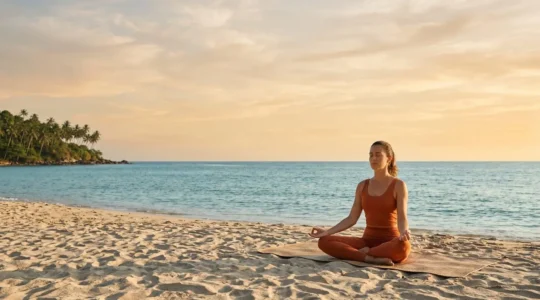
How to Incorporate Yoga Into Island Travel Without It Feeling Like a Tourist Gimmick?
The frustration with superficial « beach yoga » is valid. The solution isn’t to abandon the idea, but to build a deliberate practice architecture. This guide moves beyond photo-ops to focus on instructional discernment, physiological acclimatization in tropical climates, and using yoga…
Lire la suite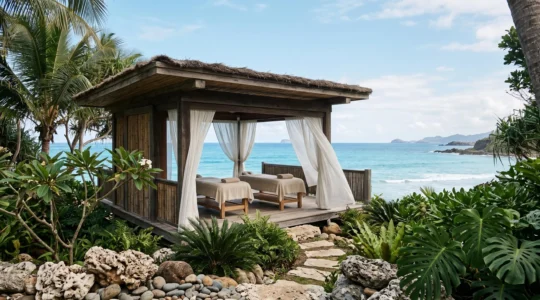
How to Choose Island Spa Retreats That Create Lasting Wellness Changes?
A retreat’s success is not measured by temporary relaxation, but by its ability to create lasting physiological and habitual change. True wellness programs have a defined, science-backed architecture, not just a menu of services. The ideal duration is 5-7 days,…
Lire la suite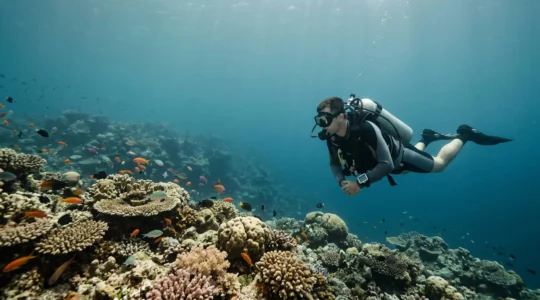
How to Choose Island Scuba Diving Experiences Matching Your Certification and Experience
Choosing the right dive isn’t about the certification card in your wallet; it’s about a dynamic self-assessment of your real-world experience against the dive’s specific demands. Certification is a license to learn, not a guarantee of skill in all conditions….
Lire la suite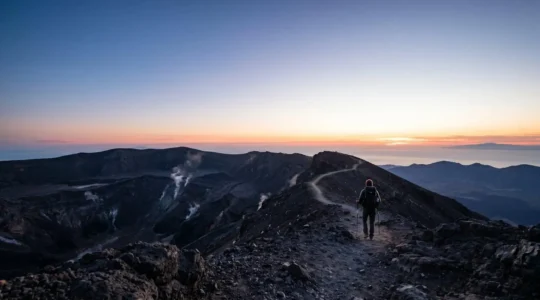
Volcanic Crater Trekking: Your Expert Guide to Safe Preparation on Island Expeditions
Trekking an active volcano requires far more than standard hiking fitness; it demands a deep understanding of its invisible threats, from physiological stressors to geological instability. Volcanic environments uniquely deplete oxygen and expose you to toxic gases, demanding specific cardiovascular…
Lire la suite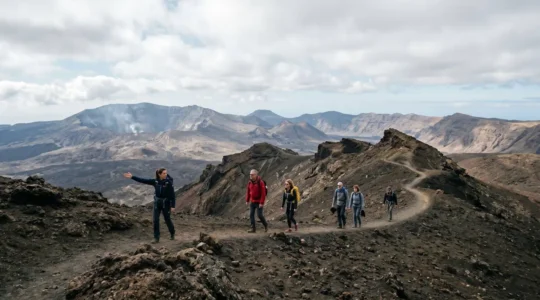
Island Activity Guides: A Risk-Based Framework for When to Hire a Pro
The true cost of an island adventure is not its price tag but its unmanaged risk; a professional guide is a calculated investment in safety, not a mere expense for convenience. Operator legitimacy and hidden environmental variables—not just the activity’s…
Lire la suite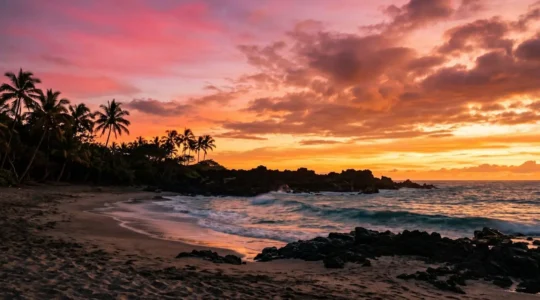
Which Islands Have the World’s Most Breathtaking Sunsets Worth Travelling For?
The most legendary island sunsets are not found by chance, but by understanding the interplay of geography, atmosphere, and photographic technique. Western-facing coasts with an unobstructed ocean horizon offer the most dramatic light due to increased atmospheric filtering. The most…
Lire la suite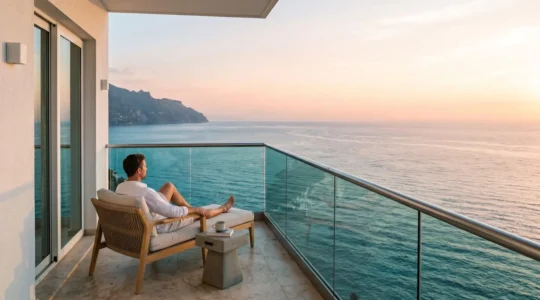
Ocean View, Sea View or Partial View: Which Hotel Room Category Delivers Actual Ocean Vistas?
The marketing term « Ocean View » is no guarantee of quality; securing a spectacular vista depends on understanding a hotel’s architecture and operational weak points. Architectural reality, like corner room placement and floor height, dictates a view’s quality far more than…
Lire la suite