Island Destinations
Island destinations represent some of the most sought-after travel experiences on Earth, yet the term « island destination » encompasses extraordinary diversity. From the volcanic drama of Atlantic cliff formations to the serene turquoise lagoons of Pacific atolls, from Mediterranean whitewashed villages perched on ancient calderas to Southeast Asian rice terraces cascading down mountainsides, islands offer compressed worlds of natural and cultural richness.
What makes island destinations particularly compelling is their ability to pack remarkable diversity into geographically compact areas. Smaller landmasses often exhibit more coastal landscape variety per square kilometre than continental destinations, creating opportunities to experience multiple ecosystems, geological formations, and microclimates within a single visit. Understanding the fundamental differences between island types—their formation, characteristics, and unique offerings—transforms how you plan, experience, and appreciate these destinations.
This comprehensive resource explores the geological foundations that shape island landscapes, the cultural traditions that have evolved in island environments, and the practical considerations that ensure safe, rewarding visits. Whether you’re drawn to dramatic coastal photography, family-friendly swimming environments, or authentic cultural immersion, recognizing what defines different island categories helps you identify destinations aligned with your specific interests.
What Makes Island Destinations Extraordinary?
Islands function as isolated evolutionary laboratories where geological processes and cultural development follow distinct paths from continental regions. This isolation creates unique characteristics that define the island experience across three fundamental categories.
Volcanic islands emerge from submarine volcanic activity, building mountains from the ocean floor through successive eruptions. These formations create the most dramatic coastal topography—towering cliffs plunging directly into deep water, black sand beaches formed from pulverized basalt, and rugged coastlines shaped by lava meeting ocean. The Canary Islands, Iceland, Hawaii, and much of the Caribbean exemplify this category, offering spectacular hiking, diving in nutrient-rich waters, and mineral-rich soils that support distinctive agriculture.
Coral atolls and reef islands represent the opposite extreme: low-lying formations built entirely by biological processes as coral polyps construct massive limestone structures over millennia. These islands rarely exceed a few metres in elevation, creating the quintessential tropical paradise imagery—impossibly turquoise lagoons protected by barrier reefs, white sand beaches from pulverized coral and shell, and calm, shallow waters ideal for families. The Maldives, many Pacific nations, and portions of the Caribbean showcase this formation.
Continental islands, separated from mainland masses by rising sea levels or tectonic activity, often exhibit the greatest ecological diversity. These islands retain continental geological complexity—varied rock types, diverse soil compositions, and established ecosystems that evolved alongside mainland flora and fauna before separation. Mediterranean islands like Corsica and Sardinia, Atlantic islands like Île de Ré, and larger formations like Madagascar demonstrate how continental islands can compress remarkable landscape variety into accessible areas.
Geological Diversity: Volcanic Formations, Coral Reefs and Coastal Landscapes
Understanding island geology directly impacts which destinations suit your preferences, from the activities available to the scenery you’ll encounter and even the practical challenges you’ll face.
Volcanic Islands and Their Dramatic Features
Volcanic formations create the most vertically dramatic island landscapes. Active volcanic processes produce coastal cliffs that can tower hundreds of metres above the ocean, formed when flowing lava cools rapidly upon contact with seawater, creating near-vertical basalt columns and sheer faces. These formations offer spectacular hiking opportunities, but require careful timing—morning typically provides clearer conditions for navigation and photography, whilst afternoon light enhances the dramatic shadows that emphasize cliff texture.
Black sand beaches beneath volcanic cliffs form through a specific process: wave action continuously pulverizes volcanic basalt rock into progressively finer particles. Unlike the gradual erosion that creates continental beaches over millions of years, volcanic beaches can form in mere centuries, creating distinctive dark grey to jet-black shorelines that absorb heat intensely (making beach shoes essential during midday hours).
Coral Atolls and Barrier Reef Systems
Coral-based islands function as living geological formations, continuously built and modified by biological activity. The classic atoll formation—a ring of coral islands encircling a central lagoon—represents the final stage of volcanic island evolution: as the original volcano subsides back into the ocean floor, coral growth keeps pace, eventually leaving only the reef structure after the volcanic core disappears entirely beneath the lagoon.
This formation process creates uniquely calm, shallow lagoons protected from ocean swells by the outer reef barrier. Water depths in atoll lagoons typically range from one to three metres across vast areas, creating ideal conditions for young children and novice swimmers. However, channels cutting through barrier reefs—necessary passages for water exchange—can generate surprisingly strong currents despite appearing calm on the surface.
Continental Islands and Diverse Ecosystems
Continental islands offer compressed diversity that would require extensive travel on mainland regions. A single relatively small island might feature rocky northern coasts shaped by prevailing winds, sheltered southern bays with sandy beaches, eastern cliffs carved by geological faulting, and western marshlands where sediment accumulates. This variety stems from their complex geological heritage—multiple rock types, varied elevation, and established drainage patterns create the conditions for diverse coastal formations within compact areas.
This geological complexity translates to practical advantages: continental islands typically offer options regardless of weather conditions. Strong winds making one coast uncomfortable often mean calm conditions on the opposite shore, whilst seasonal variations affect different portions of the island distinctly.
Turquoise Lagoons and Coastal Waters
The striking turquoise colour that defines tropical paradise imagery results from specific scientific conditions, and understanding these factors helps identify genuinely exceptional lagoon destinations whilst avoiding disappointment.
Understanding Water Clarity and Colour
Turquoise water requires four simultaneous conditions: white sand or limestone substrate (reflecting light upward), shallow depth (typically 2-10 metres), minimal suspended sediment, and abundant sunlight. When sunlight penetrates clear, shallow water and reflects off white substrate, the selective absorption of red wavelengths combined with scattering of blue wavelengths creates that characteristic cyan-turquoise colour.
This explains why some island lagoons remain murky brown despite tropical locations: volcanic black sand absorbs rather than reflects light, river runoff introduces suspended sediment, or deeper water prevents substrate reflection. The most reliably turquoise lagoons occur on coral atolls with minimal terrestrial runoff and consistent shallow depths across large areas.
Safe Swimming and Snorkelling Considerations
Calm surface conditions don’t guarantee safe swimming. Lagoons can harbour hidden currents, particularly near reef passages where tidal exchange creates powerful flows. Identifying safe lagoon areas requires observing several indicators:
- Water colour consistency—sudden colour changes from turquoise to dark blue indicate dramatic depth increases or channels
- Surface texture—smooth water interrupted by rippled patches often signals subsurface currents
- Debris patterns—floating vegetation or foam accumulating in specific areas reveals current convergence zones
- Local swimming areas—designated zones typically avoid natural hazards
For families with young children, barrier reef lagoons generally provide calmer, more predictable conditions than volcanic crater lagoons, which can experience unexpected depth changes and lack the gradual slopes typical of reef formations.
Barrier Reef vs Volcanic Crater Lagoons
Barrier reef lagoons offer superior conditions for beginning snorkellers: extensive shallow areas allow standing when needed, gradual depth progression builds confidence, and the outer reef barrier attracts concentrated marine life without requiring deep water navigation. The protected environment typically maintains calm conditions even when ocean swells reach substantial heights beyond the reef.
Volcanic crater lagoons, formed when seawater floods collapsed calderas, present different characteristics: deeper water closer to shore, more variable underwater topography, and typically fewer fish species due to limited coral development on volcanic substrates. However, they often provide dramatic underwater cliff formations and exceptional water clarity due to minimal sediment.
Cultural Landscapes: Villages, Terraces and Island Heritage
Island isolation has fostered distinctive cultural developments, from architectural traditions adapted to specific geological constraints to agricultural practices that transform challenging terrain into productive landscapes.
Mediterranean Whitewashed Villages
The iconic whitewashed architecture of Greek and Spanish islands represents practical adaptation to environmental conditions rather than purely aesthetic choice. White lime-based plaster reflects intense summer sunlight, reducing interior temperatures significantly compared to darker colours, whilst the alkaline lime provides natural antimicrobial properties important in warm, humid coastal environments.
Santorini’s villages appear precariously perched on volcanic cliff edges because they occupy the only buildable land on an island defined by a massive collapsed caldera. The dramatic clifftop setting results from necessity—the interior caldera slopes too steeply for construction, whilst the opposite coast lacks the dramatic elevation needed for defence against historical pirate raids. This defensive requirement shaped settlement patterns across many Mediterranean islands, creating the elevated, compact village structures that now define their visual appeal.
Photography timing proves crucial in these villages: harsh midday sun creates extreme contrast between brilliant white walls and dark shadows, often resulting in blown highlights or blocked shadows. Early morning or late afternoon golden hour light provides warm, directional illumination that adds dimension whilst reducing contrast to manageable levels.
Rice Terraces and Agricultural Traditions
Whilst rice terraces appear primarily on larger landmasses, certain mountainous islands feature spectacular examples that justify dedicated visits. Bali’s terraced landscapes achieve greater fame than the Philippines’ equally impressive Ifugao terraces largely due to accessibility—Bali’s terraces lie within easy reach of established tourist infrastructure, whilst Ifugao terraces require more challenging travel to remote highland regions.
These engineered landscapes represent extraordinary human achievement: communities carved mountain slopes into thousands of level platforms, developing irrigation systems that distribute water across elevation changes of hundreds of metres. The visual impact varies dramatically with agricultural cycles—flooded terraces create mirror-like reflections during planting season, lush green blankets cover fields during growing periods, and golden tones emerge at harvest.
Responsible tourism requires respecting these working agricultural environments. Walking directly through planted areas damages crops and disrupts the delicate irrigation balance, whilst removing water for photography affects downstream terraces. Designated viewing platforms and pathways allow appreciation without interfering with the farming communities who maintain these landscapes.
Planning Your Island Experience: Timing, Access and Practical Considerations
Island destinations present unique logistical considerations that significantly impact experience quality. Timing decisions, transportation planning, and awareness of common mistakes separate frustrating visits from exceptional ones.
Seasonal Variations and Crowd Management
Island seasonality operates on multiple overlapping cycles. Weather patterns create obvious high and low seasons—Mediterranean islands peak in July-August with guaranteed sunshine but maximum crowds, whilst April-May and September-October offer warm weather with significantly fewer visitors. Tropical islands often follow reversed patterns, with December-April providing dry season comfort whilst May-November brings precipitation and humidity despite lower prices.
Less obvious but equally important: cruise ship patterns dramatically affect specific islands and even specific days. Popular ports like Santorini or Mykonos can receive multiple ships simultaneously, disgorging thousands of visitors into small villages during midday hours, then emptying completely by late afternoon. Consulting cruise schedules helps identify windows for photographing whitewashed villages without crowds or experiencing normally-packed viewpoints in relative solitude.
Navigation and Transportation
Island transportation requires advance planning, particularly for car-dependent destinations. Many attractive islands feature limited road networks where parking capacity represents the primary constraint on visitor numbers. Arriving early (before 9:00) or late (after 16:00) often means the difference between convenient parking and hour-long searches or expensive fines in restricted zones.
Cycling infrastructure varies enormously between islands. Some destinations, like Île de Ré, feature extensive dedicated cycling networks spanning 100+ kilometres with minimal elevation changes—ideal for families and casual cyclists. Others market cycling opportunities despite challenging terrain, inadequate paths, or dangerous road sharing that makes the activity impractical for non-enthusiasts.
Common Mistakes to Avoid
Several errors occur repeatedly across island destinations:
- Underestimating travel times—island roads frequently feature numerous curves, narrow sections, and traffic congestion that makes progress far slower than distance suggests
- Overlooking tidal variations—certain beaches, lagoon areas, or coastal paths become inaccessible or dangerous during high tide
- Viewing from roads rather than footpaths—the most dramatic coastal scenery typically requires short walks to elevated viewpoints that reveal landscape context invisible from roadside pullouts
- Restaurant reservation timing—popular island restaurants often require booking weeks or even months ahead during peak season, not days
- Lagoon wading without protection—walking barefoot in coral lagoons risks cuts that readily become infected in warm saltwater environments
Capturing Island Beauty: Photography Tips and Etiquette
Island destinations offer extraordinary photographic opportunities, but capturing their essence requires understanding how light, timing, and tidal conditions interact with different landscape types.
Coastal Landscape Photography Fundamentals
The most common composition mistake in coastal photography involves lack of foreground interest. Distant horizon lines and expansive water views often appear dramatic to the eye but translate to flat, unengaging photographs without elements in the near-to-middle distance providing depth and scale. Incorporating rocks, vegetation, or architectural elements in the foreground creates dimensional layering that draws viewers into the scene.
Coastal landscape variety—from rugged Atlantic drama to serene Mediterranean clarity—requires different approaches. Dramatic, moody coastlines benefit from dynamic weather conditions and strong directional light that emphasizes texture, whilst tropical calm waters photograph best in even, soft light that reveals colour gradation without harsh contrast.
Light, Tides and Timing
Tidal variations create entirely different coastal landscapes within hours. High tide drama features waves crashing against cliffs and rocks, water reaching the base of formations, and dynamic spray. Low tide reveals rock formations, tidal pools, and textures normally submerged, whilst creating mirror-like water pools on flat beaches. Neither condition is universally superior—the choice depends on your compositional intent.
For turquoise lagoon photography, seasonal and tidal patterns significantly affect clarity. Calm conditions following several days without rain provide maximum clarity, whilst recent storms or seasonal runoff reduce visibility. Morning hours typically offer clearest underwater visibility before wind develops surface chop and boat traffic disturbs sediment.
Respectful Photography Practices
Photography etiquette proves particularly important in small island communities where resident privacy and daily life face constant tourist attention. Whitewashed villages house actual residents whose homes, gardens, and daily activities aren’t theme park displays. Photographing people without permission, blocking doorways or passages for shots, or entering private property creates justifiable resentment.
Cliff edge photography contributes to multiple tourist deaths annually on volcanic islands. The dramatic shot peering over sheer drops requires positions where sudden wind gusts, crumbling edges, or simple loss of balance proves fatal. Professional photographers use safety equipment—ropes, harnesses, spotters—that casual tourists attempting similar shots lack entirely.
Island destinations reward those who invest time understanding their fundamental characteristics. Whether you’re drawn to volcanic drama, coral lagoon tranquillity, cultural landscapes, or diverse coastal scenery, recognizing the geological processes, seasonal patterns, and practical considerations that define different island types transforms generic beach holidays into purposeful, deeply satisfying experiences tailored to your specific interests and travel style.
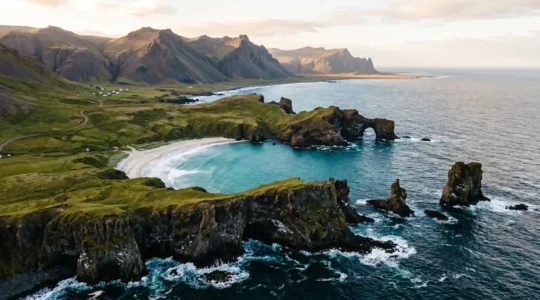
Which Islands Pack the Most Diverse Coastal Scenery Into Compact Areas?
The world’s most varied coastlines aren’t on large continents, but on small islands where geology is compressed, creating a high « diversity-per-kilometre » ratio. Key indicators of exceptional scenic variety include a high coastline-to-area ratio and visible geological transition zones between different…
Lire la suite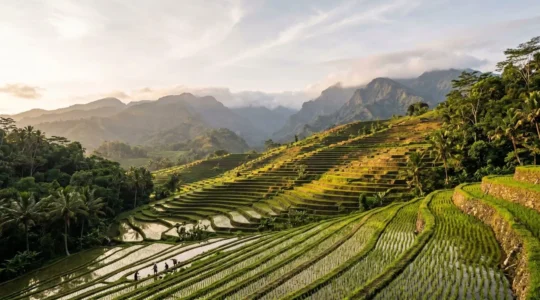
Which Islands Have Rice Terraces Dramatic Enough to Justify a Dedicated Visit?
The most dramatic rice terraces are not just beautiful landscapes, but complex agricultural-spiritual engines; a truly rewarding visit depends on understanding their inner workings. Fame is a result of infrastructure and accessibility (Bali) versus raw, demanding immersion (Ifugao), not a…
Lire la suite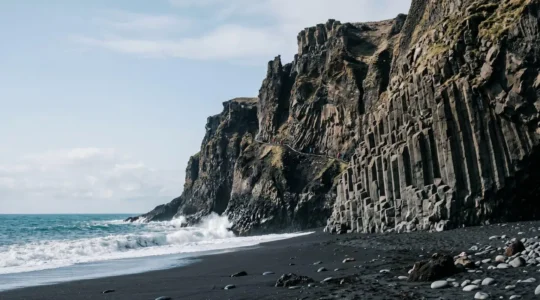
Which Islands Have the Most Spectacular Volcanic Cliffs Accessible for Hiking?
Choosing the best volcanic cliff hike isn’t about finding the prettiest island, but understanding the geological forces that shape your adventure. Massive, sheer cliffs are born from hard basalt rock resisting erosion, a feature coral atolls fundamentally lack. Trail infrastructure…
Lire la suite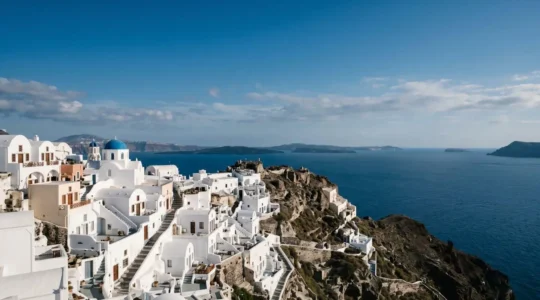
Beyond the Blue Domes: A Photographer’s Guide to the Most Iconic Whitewashed Villages in Greece and Spain
This guide goes beyond typical travel advice to reveal the architectural DNA and photographic secrets of Mediterranean whitewashed villages. Understand the historical ‘why’ behind the iconic white aesthetic to capture more meaningful and compelling photographs. Master specific techniques to conquer…
Lire la suite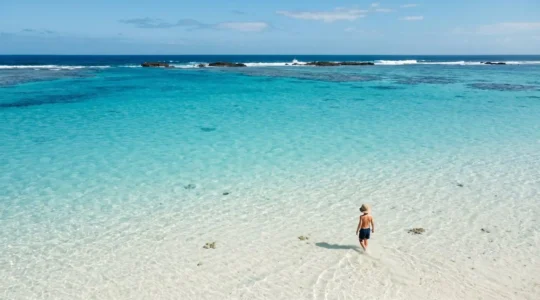
Which Islands Have Turquoise Lagoons Calm Enough for Young Children to Swim Safely?
True lagoon safety for young children is less about a specific destination and more about a parent’s ability to assess the environment like an expert. The calmest, clearest lagoons are created by specific geological shields—like barrier reefs or limestone seabeds—that…
Lire la suite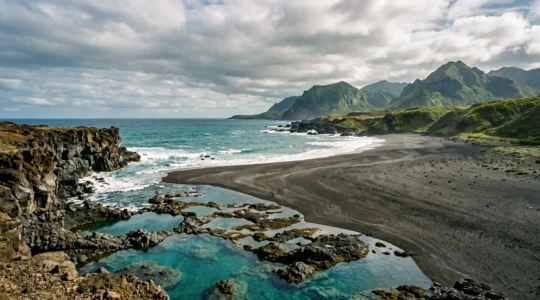
Which Islands Offer the Most Diverse Coastal Landscapes in a Single Destination?
For photographers and nature lovers, the most rewarding islands are not just beautiful, but geologically diverse. The key to finding dramatic cliffs, pristine beaches, and unique rock formations in one place is to understand the volcanic and tectonic stories that…
Lire la suite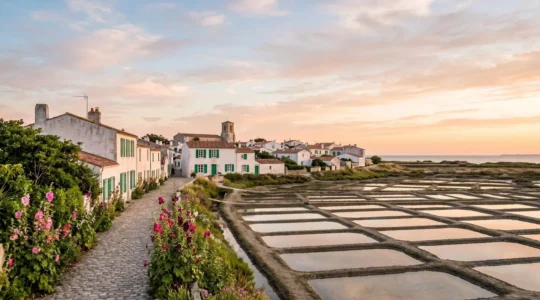
What Makes Île de Ré Worth Visiting: A Complete Island Experience Beyond the Beaches?
Île de Ré’s high cost is a deliberate feature, not a bug, crafting an exclusive, car-free experience that justifies the price for travellers seeking tranquillity over typical resort buzz. The island’s charm is a « curated ecosystem » where strict building codes…
Lire la suite