Hotels & Accommodations
Choosing where to stay shapes every aspect of an island holiday. The accommodation becomes more than just a place to sleep—it defines your access to beaches, determines your level of privacy, influences your daily routine, and often represents the largest portion of your travel budget. Yet the sheer variety of island lodging options, from thatched overwater bungalows to contemporary beachfront estates, creates genuine confusion for travellers trying to make informed decisions.
This complexity intensifies when you consider that similar-looking properties can differ dramatically in authenticity, cost structure, and booking safety. A boutique resort might be a lovingly crafted family venture using local materials, or simply a rebranded chain hotel. A coastal villa listing might represent a legitimate rental or an elaborate scam. Understanding these distinctions—and knowing which questions to ask—transforms accommodation selection from overwhelming guesswork into a strategic decision that enhances your entire island experience.
This resource examines the main categories of island accommodations, explains the factors driving significant price variations, identifies hidden costs and booking risks, and provides practical frameworks for matching lodging types to different travel styles and group compositions.
Understanding the Main Types of Island Accommodation
Island destinations offer accommodation categories that differ fundamentally in design philosophy, target audience, and the experience they deliver. Recognising these distinctions helps you eliminate unsuitable options quickly and focus your search more effectively.
Coastal Villas and Beachfront Properties
Coastal villas typically occupy prime beachfront positions with direct sand access, offering self-contained living spaces that range from modest two-bedroom cottages to sprawling multi-bedroom estates. The defining characteristic is privacy combined with flexibility—you control your schedule, meal times, and social interactions without the structured environment of a hotel or resort.
These properties appeal particularly to families and friend groups seeking a home-like base. Some include dedicated staff (chefs, housekeepers, concierge services), whilst others operate as completely private rentals where you manage everything independently. The choice between staffed and unstaffed significantly affects both cost and experience, with staffed villas providing restaurant-quality meals and daily service, whilst private rentals offer total autonomy and often lower nightly rates.
Boutique Island Resorts
Boutique resorts distinguish themselves through limited room inventory—typically fewer than 50 accommodations—and an emphasis on distinctive design, personalised service, and connection to local culture. Authentic boutique properties often employ local architects, source furnishings from regional artisans, and integrate indigenous design elements rather than following generic tropical resort templates.
The category suffers from definitional blurring, as larger hotel chains increasingly rebrand conventional properties as « boutique » without substantive changes. Genuine boutique resorts usually operate as independent ventures or small collections, often family-run, with owners actively involved in guest experience. They tend to excel at creating intimate atmospheres and curating activities that reflect the island’s authentic character rather than standardised resort entertainment.
Overwater Villas and Lagoon Retreats
Overwater accommodations—structures built on stilts above shallow lagoons or calm coastal waters—originated in French Polynesia and have expanded to destinations throughout Southeast Asia, the Maldives, and the Caribbean. These villas offer direct water access via private staircases, glass floor panels for viewing marine life, and unobstructed ocean views from the bedroom.
Price variations within this category prove dramatic. Maldivian overwater villas frequently cost three times more than comparable structures in Thailand or Bora Bora, driven by importation costs, limited competition, and positioned luxury branding. Traditional thatched-roof designs appeal to travellers prioritising authentic aesthetics and romance, whilst modern glass-floor villas attract those seeking contemporary luxury and underwater viewing opportunities. Location within the resort matters considerably—villas positioned near activity centres or dining areas sacrifice tranquillity, whilst those at lagoon edges offer superior privacy.
Luxury Vacation Homes and Private Estates
This category represents the highest tier of island accommodation: entire properties with multiple bedrooms (often 5-10+), extensive grounds, private pools, entertainment facilities, and frequently live-in staff managing all household operations. These estates target extended families, milestone celebrations (weddings, significant birthdays), and groups where per-person costs matter more than total expenditure.
For groups exceeding eight people, luxury homes often deliver better per-person value than booking multiple five-star hotel suites, whilst providing communal spaces that hotel configurations cannot match. However, they require substantially longer booking windows—peak dates often fill 18 months ahead—and come with insurance considerations that can expose renters to significant liability for accidental property damage.
How to Choose the Right Accommodation for Your Island Holiday
Matching accommodation type to your specific travel circumstances prevents costly mismatches and disappointment. The decision framework should consider group dynamics, desired privacy levels, and your priorities regarding location and services.
Group Size and Travel Style Considerations
Solo travellers and couples typically find boutique resorts or overwater villas most suitable, as these properties excel at creating romantic or contemplative environments without the wasted space of large villas. Resorts also eliminate the meal planning burden that private villas impose.
Groups of 6-10 people face a more complex calculation. A staffed villa with a private chef suits groups wanting flexible meal times, dietary control, and communal cooking experiences, whilst also accommodating varying daily schedules. Conversely, a resort with half-board or all-inclusive arrangements works better for groups preferring structured dining, varied menu options without planning, and access to resort facilities like spas and water sports centres. The tipping point usually occurs around 10 people—beyond this threshold, luxury vacation homes almost always provide better economics and space configuration than booking multiple resort rooms.
Privacy Levels and Service Options
The privacy spectrum ranges from completely isolated estates where you might not see another person for days, to sociable boutique resorts with communal dining and scheduled group activities. Neither extreme suits everyone.
Many travellers seek a middle ground: privacy without total isolation. Coastal villas positioned within small developments or near villages provide seclusion within your property boundaries whilst maintaining proximity to restaurants, shops, and social opportunities. This configuration particularly suits families with teenagers or groups where some members want solitude whilst others prefer social interaction.
Service preferences also vary significantly. Some travellers view interacting with staff as intrusive, preferring to manage their own space entirely. Others find that dedicated personnel—especially skilled private chefs—elevate the experience and justify premium costs. Clarifying your position on this spectrum before booking prevents mismatches.
Location and Access Priorities
Beach access quality matters more than many travellers initially recognise. Properties advertising « beachfront » locations might front onto rocky shorelines, narrow beaches that disappear at high tide, or beaches with rough surf unsuitable for swimming. Direct beach access from coastal villas commands substantial premiums—often 60% more than comparable properties set back from the sand—because it eliminates the daily frustration of transporting beach equipment, enables spontaneous swims, and provides unobstructed sunset views.
For overwater villas, verify not just that lagoon access exists, but that private stairs descend directly from your villa into swimmable water. Some properties market « lagoon access » whilst actually requiring guests to use shared entry points or stairs that emerge into uncomfortably shallow or rocky areas.
Pricing Realities and Hidden Costs
Understanding what drives island accommodation pricing helps you evaluate whether premium rates represent genuine value or simply positioning. Equally important is recognising the additional costs that accumulate beyond advertised nightly rates.
Why Some Accommodations Cost Significantly More
Several factors legitimately justify higher pricing:
- Import costs and logistical complexity: Remote islands require shipping all construction materials, furnishings, and many food supplies, dramatically increasing operational costs that translate to nightly rates.
- Exclusive positioning and limited inventory: Resorts deliberately restricting room counts to maintain exclusivity can charge premiums that reflect scarcity rather than proportionally higher operating costs.
- Beachfront positions: Waterfront land represents finite, highly competitive real estate. Properties with superior beach access naturally command premiums.
- Staffing ratios: Luxury properties often maintain staff-to-guest ratios of 3:1 or higher, enabling personalised service but requiring substantially higher labour costs.
However, some pricing appears disconnected from actual value delivery, particularly when chain hotels simply rebrand existing properties as « boutique » or « eco » without meaningful operational changes, then inflate rates based purely on marketing repositioning.
Additional Fees Beyond the Listed Price
Advertised nightly rates rarely represent total accommodation costs. Hidden charges can add substantial amounts to your final bill:
- Service charges and local taxes: Many destinations impose tourism taxes, environmental levies, or mandatory service fees ranging from 10-25% of the base rate.
- Damage deposits and insurance premiums: Luxury homes routinely require £3,000-£10,000 damage deposits, with some properties also mandating separate damage insurance policies.
- Utility surcharges: Villas in locations with expensive electricity (often island destinations relying on diesel generators) may charge separately for air conditioning usage, pool heating, or excessive electricity consumption.
- Minimum stay requirements during peak periods: Properties demanding 7-14 night minimums during high season effectively increase total costs even if the nightly rate appears reasonable.
- Provisioning and preparation fees: Luxury villas sometimes charge advance provisioning fees (purchasing groceries before arrival) or preparation costs (opening and preparing a property that’s been vacant).
These additional costs can accumulate to £800 or more beyond the listed weekly rate, fundamentally changing the value proposition. Always request a complete cost breakdown including all mandatory fees before committing to a booking.
Avoiding Scams and Booking Safely
The island rental market attracts fraudulent listings that appear legitimate on reputable platforms but result in lost deposits or non-existent properties. Understanding verification methods and booking protections proves essential.
Verifying Legitimate Listings
Several verification steps substantially reduce scam risk:
- Reverse image search property photos: Scammers often steal images from genuine listings. Running photos through reverse image search tools reveals if they appear on multiple unrelated websites or professional photography portfolios.
- Confirm ownership through property records: For high-value bookings, some travellers verify ownership through public land registry searches or request documentation proving the listing agent’s relationship to the owner.
- Insist on video calls showing the actual property: Legitimate owners can easily provide live video tours showing current property conditions, whilst scammers cannot.
- Check for unedited, varied photography: Professional listings typically include dozens of images from multiple angles, with minor imperfections visible. Heavily edited photos showing only perfect angles often misrepresent actual conditions or indicate stolen imagery.
For boutique resorts, verification focuses differently: confirming the property genuinely operates as claimed rather than preventing outright fraud. Research whether the resort actually employs local architects, sources from regional suppliers, or simply imports generic furnishings whilst claiming local authenticity. Reviewing supplier acknowledgments, architect credits, and detailed « about » sections provides evidence.
Understanding Deposits and Cancellation Policies
Many island rentals impose non-refundable deposits even if the property proves uninhabitable upon arrival—a policy that seems unconscionable but persists due to the challenges of enforcing consumer protections across international borders. This makes pre-booking verification absolutely critical.
Cancellation policies vary dramatically. Some common structures include:
- 30/60/90 day sliding scales: Partial refunds if cancelled beyond certain thresholds, decreasing to zero refund for cancellations within 30 days of arrival.
- 100% forfeiture policies: Any cancellation, regardless of reason or timing, results in complete payment loss.
- Rebooking-based refunds: Refunds only if the property successfully rebooks for your dates, minus administrative fees.
The mistake that costs renters their entire payment is assuming cancellation policies resemble hotel standards. They often don’t—particularly for privately owned villas where your cancellation might leave the owner with empty property during dates they could have booked months earlier.
Platform Bookings vs Direct Owner Arrangements
Booking through established platforms (Airbnb, Vrbo, Booking.com) provides payment protection, dispute resolution mechanisms, and verification processes that direct bookings lack. However, owners often offer better rates for direct bookings since they avoid platform commission fees of 15-20%.
The strategic approach for high-value bookings involves finding properties on platforms (leveraging their search tools and reviews), then contacting owners directly to negotiate terms. This works best for extended stays or off-season bookings where owners have flexibility. For month-long island rentals, local long-term lease agreements typically deliver better rates than short-term platforms, though they require more extensive verification and usually less flexible cancellation terms.
Evaluating Premium Features and Amenities
Island accommodations market numerous premium features, some genuinely enhancing your stay whilst others function primarily as marketing tools that don’t justify their cost additions.
Which Luxury Add-Ons Genuinely Enhance Your Stay
Certain premium features deliver clear, sustained value:
- Private chef services: For groups, having a skilled chef preparing meals using local ingredients eliminates dining logistics, enables customisation for dietary restrictions, and often provides better food quality than mid-range restaurants at comparable or lower total cost.
- Spa facilities during rainy seasons: Islands with pronounced wet seasons see premium indoor amenities like spas, fitness centres, and treatment rooms genuinely justify their cost, providing valued activities when beach access becomes unpleasant.
- Lagoon access stairs from overwater villas: The ability to swim directly from your accommodation without navigating public areas or schedules represents one of the primary value propositions of overwater structures.
- Comprehensive concierge services: Quality concierges who arrange off-property activities, secure restaurant reservations, coordinate transportation, and troubleshoot problems add genuine value, particularly in destinations where language barriers exist or local knowledge proves essential.
Common Amenities That Rarely Justify Their Cost
Conversely, several heavily marketed features deliver minimal practical benefit:
- Infinity pools on beachfront properties: When pristine beach access exists 50 metres away, infinity pools primarily serve Instagram purposes. Many guests pay substantial premiums for this feature, then use the actual ocean exclusively.
- All-day dining packages: Studies suggest that approximately 70% of island resort guests purchase all-day dining access but actually consume food valued at less than half-board rates. The flexibility sounds appealing during booking, but actual usage patterns favour more limited meal plans.
- Technology packages in remote settings: Some luxury properties charge premiums for high-speed internet, smart home controls, or entertainment systems that seem incongruous with the disconnection many island travellers seek. Assess honestly whether you’ll use these features.
- Branded eco-certifications without verification: Many resorts now claim « eco-resort » status or display green certifications whilst maintaining practices (daily linen changes, inefficient air conditioning, imported foods, diesel generators) that contradict genuine environmental protection. Without transparent operational details or recognised third-party certification, such claims often represent greenwashing rather than authentic sustainability.
For hotel spa facilities, the calculation requires careful assessment. A 35% nightly rate premium for spa access makes sense if you’ll use treatments multiple times, but not for a single massage you could book à la carte for £80. Similarly, half-board arrangements suit travellers wanting breakfast and one daily meal included, whilst all-day packages only benefit those genuinely eating three full meals daily on property.
Timing Your Booking for Better Value
Strategic timing creates opportunities to secure preferred accommodations at substantially reduced rates without sacrificing experience quality.
The most dramatic savings come from shoulder season bookings—periods immediately before or after peak tourist windows when weather remains excellent but demand drops. Many coastal villas and overwater properties reduce rates by 40% or more during these windows. For the Caribbean, this often means May-June or November. For Southeast Asian islands, shoulder seasons vary by specific location but generally fall just outside monsoon periods.
However, timing strategies require nuance. Luxury vacation homes for significant events (weddings, milestone birthdays) demand advance booking of 12-18 months regardless of season, as the specific dates matter more than securing discounts. Conversely, flexible couples seeking overwater villas can monitor last-minute deals during traditionally slower periods, sometimes securing extraordinary rates when resorts face empty inventory.
Boutique island resorts occasionally experience the opposite dynamic: local events (festivals, sporting events, cultural celebrations) that dramatically increase demand. Travellers who book without checking local event calendars sometimes arrive to find every room occupied, communal spaces crowded, and the intimate atmosphere they expected replaced by group energy. Researching the island event calendar before selecting specific dates prevents this disappointment.
The booking timeline also affects direct-versus-platform decisions. Last-minute bookings (within 30 days) typically work better through platforms where owners maintain updated availability calendars. Extended advance bookings benefit from direct owner contact, enabling negotiation of customised terms, service additions, or rate adjustments that platform bookings cannot accommodate.
Ultimately, successful island accommodation selection balances your specific travel style, group composition, and budget reality with clear-eyed assessment of what different property types actually deliver. The travellers who report highest satisfaction typically invest time verifying claims, understanding complete cost structures, and matching accommodation categories to their genuine priorities rather than aspirational images. This foundation of informed decision-making transforms accommodation from a source of anxiety into confident choices that enhance your entire island experience.
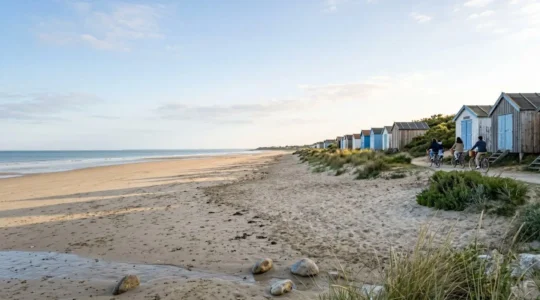
When is the best time to rent a place on Île de Ré?
The same luxury villa on Île de Ré can cost €2,400 per week in early June or €5,200 in mid-August. That 117% premium for a six-week difference captures the essence of why timing matters more than almost any other decision…
Lire la suite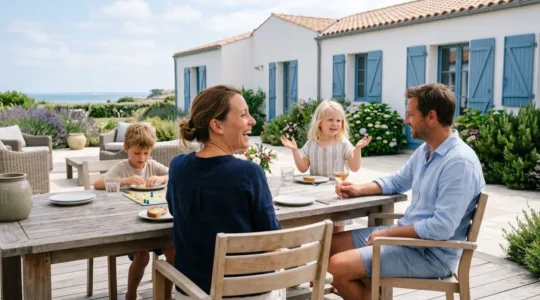
5 Reasons to Rent a Vacation Home on Île de Ré This Summer
France cemented its position as the world’s most visited country in 2025, welcoming over 102 million international visitors according to the EU Tourism Platform’s March 2026 record report on France. This success was driven by strong demand for cultural and…
Lire la suite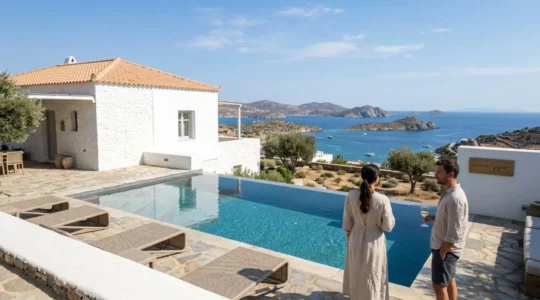
Vacation rentals: the perfect alternative to hotels on the islands
The European vacation rental market has fundamentally reshaped how travelers experience island destinations. Statista’s 2025 market forecast projects the European vacation rental sector will generate $36.66 billion in revenue this year, growing at 5.78% annually through 2030. For island holidays…
Lire la suite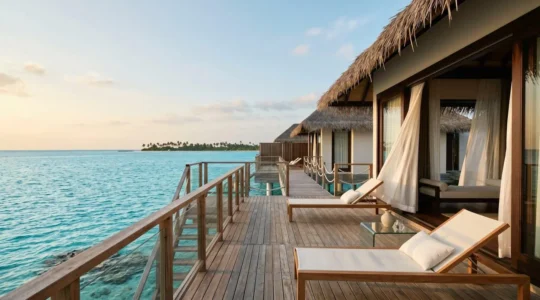
Overwater Villas in the Maldives or Southeast Asia: A Specialist’s Guide to Finding Truly Authentic Experiences
The authenticity of an overwater villa is not determined by its location (Maldives vs. Asia) or its thatched roof, but by verifiable structural and operational factors that guarantee seclusion and genuine ocean access. A higher price in the Maldives often…
Lire la suite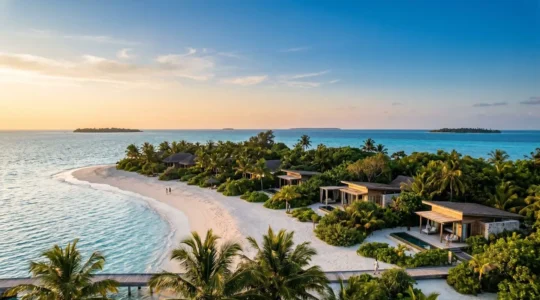
The Amenity Trap: Which Premium Hotel Features Genuinely Enhance Your Island Holiday?
The true value of a hotel amenity isn’t its luxury branding, but its quantifiable Usage-to-Cost Ratio. Many iconic amenities, like infinity pools, offer a surprisingly low return on investment on islands with pristine, accessible beaches. The cost of high-premium services,…
Lire la suite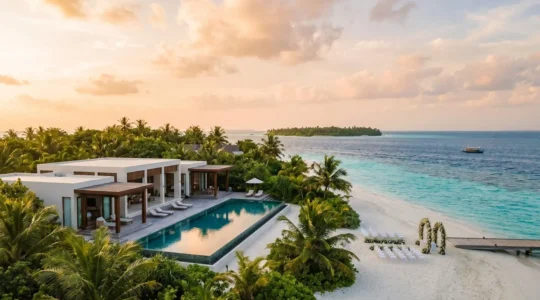
How to Book Luxury Island Vacation Homes for Weddings and Milestone Birthday Celebrations?
Securing a luxury island home for a significant event is not a holiday booking; it is a high-stakes logistical acquisition requiring professional due diligence. Success depends on mitigating financial risks like hidden fees and massive insurance gaps, not just finding…
Lire la suite
How to Avoid Island Rental Scams That Look Legitimate on Booking Platforms
The most effective way to avoid island rental scams is not by spotting ‘obvious’ red flags, but by systematically applying an investigator’s verification protocol to every booking. Legitimacy is proven by verifying property ownership through official records, not just by…
Lire la suite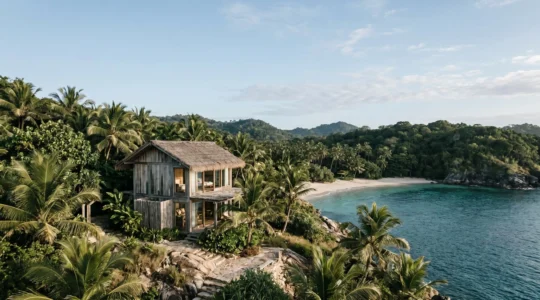
How to Spot Authentic Boutique Island Resorts That Aren’t Just Rebranded Chain Hotels?
Spotting a true boutique island resort requires auditing its ‘chain of local custody’, not just its star rating or design aesthetic. Look for verifiable proof of local design partnerships and regional suppliers, not just generic ‘island-inspired’ decor. Assess if ‘eco-friendly’…
Lire la suite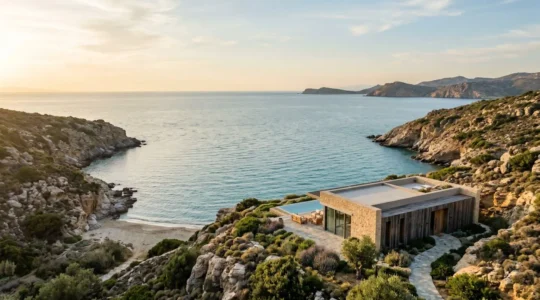
How to Find Coastal Villas That Offer Privacy Without Complete Isolation?
In summary: True villa privacy is defined by strategic choices in service levels and seasonal timing, not just a remote location. Always verify property photos with a live video walkthrough and scrutinise contracts for hidden costs that can add over…
Lire la suite