Island Guides
Island destinations present unique planning challenges that mainland travel simply doesn’t. The isolation that makes islands enchanting—azure waters, distinct cultures, untouched landscapes—also creates practical considerations many travelers overlook until problems emerge. From accommodation pricing structures that defy typical logic to cultural norms that vary dramatically between neighboring islands, successful island travel requires specific knowledge that generic travel advice rarely addresses.
This resource synthesizes essential island travel knowledge across seven critical domains: where you’ll sleep, which islands match your interests, how to verify information quality, cultural protocols that prevent embarrassment, navigation skills for remote terrain, water safety assessment, and itinerary construction that maximizes satisfaction. Whether you’re planning your first island escape or refining your approach after disappointing experiences, understanding these fundamentals transforms uncertain tourism into confident exploration.
Understanding Island Accommodation Types and Booking Strategies
The accommodation decision shapes your entire island experience, yet the pricing logic often confuses first-time island travelers. A beachfront hotel typically costs 40% more than an identical property just 500 meters inland—not because of amenities, but purely for oceanfront access. This premium reflects limited beachfront real estate and the premium travelers place on waking to wave sounds.
Three primary accommodation categories serve different travel styles:
- Hotels and resorts provide structured services, daily housekeeping, and on-site dining, ideal for travelers who prefer convenience over flexibility
- Self-catering villas offer kitchen facilities and living spaces, better suited for families or groups seeking privacy and meal cost control
- All-inclusive resorts bundle meals, drinks, and activities into one price, simplifying budgeting but potentially limiting authentic local experiences
Marketing descriptions deserve scrutiny. Terms like « beach nearby » might mean a 20-minute walk, while « sea view » could reference a sliver of blue visible from one window corner. Successful booking requires reading between promotional language to identify actual distances, included amenities, and neighborhood characteristics.
Timing your booking significantly impacts both availability and cost. Island properties in popular destinations often require reservations 4-6 months advance for peak season, while shoulder season bookings made 6-8 weeks prior frequently yield better rates with acceptable selection. Last-minute deals exist but sacrifice choice and risk limited availability.
Selecting and Timing Your Island Destination
Islands separated by mere kilometers can offer completely different experiences. Greek islands exemplify this dramatically: Mykonos attracts party-seeking crowds with beach clubs and nightlife, while Naxos, just 50 kilometers away, draws families and hikers with traditional villages and mountain trails. This variation stems from historical development patterns, accessibility differences, and the tourist demographics each island has cultivated over decades.
First-time Mediterranean island visitors often struggle choosing between regions. The Spanish Balearic Islands (Mallorca, Menorca, Ibiza) provide easier logistics with frequent ferry connections and diverse character across the archipelago. The Greek Cyclades offer deeper historical immersion but require more complex inter-island planning. Your priority—seamless logistics versus cultural depth—should guide this choice.
Seasonal timing dramatically affects experience quality. The common mistake of visiting Mediterranean islands during August heat waves means enduring 35°C+ temperatures, maximum tourist density, and premium pricing. Shoulder seasons (May-June or September-October) typically deliver pleasant 23-25°C weather with 50-60% fewer crowds and significantly lower accommodation costs.
Island-hopping routes require understanding regional ferry networks. Some island clusters offer daily connections, while others operate limited weekly schedules. Planning multi-island itineraries without verifying actual ferry frequencies and journey durations leads to either excessive transit time or discovering connections don’t exist on your preferred dates.
Finding Reliable Island Travel Information Sources
Information quality varies enormously across travel resources. Large international platforms like TripAdvisor aggregate massive review volumes but often lack the nuanced local knowledge that determines whether advice applies to your specific travel dates, interests, or circumstances. Recent analyses suggest 15-30% of online reviews show manipulation indicators, whether through incentivized positive reviews or competitor-posted negative ones.
Local island bloggers frequently provide superior accuracy because they live with the consequences of incorrect information and maintain reputation stakes within small communities. A local blogger recommending a restaurant knows the owner personally and understands menu changes, while international reviewers share experiences from single visits months or years prior.
Effective research employs cross-verification across multiple source types:
- Official tourism websites for regulatory information, safety notices, and seasonal facility closures
- Local social media groups for real-time conditions like weather impacts, temporary road closures, or festival schedules
- Blogger content for detailed neighborhood guides and authentic venue recommendations
- Professional travel publications for broader context and trend analysis
When sources contradict each other, prioritize the most recent information from local sources over older international content, and seek a third tiebreaker source before making firm plans.
Navigating Island Cultural Customs and Etiquette
Island communities often maintain stronger cultural traditions than mainland urban areas, making cultural awareness particularly important. The isolation that preserves these customs means visitors stand out more prominently, and cultural missteps create lasting impressions in small communities where tourism provides economic sustenance but can feel culturally invasive.
Greeting protocols vary significantly by region. Mediterranean islands typically expect verbal greetings with direct eye contact and possible cheek-kissing among acquaintances. Conversely, some Pacific island cultures consider sustained direct eye contact aggressive or disrespectful, particularly toward elders. Caribbean islands generally embrace warm handshakes and friendly conversation, while certain Asian island cultures favor slight bows and more formal initial interactions.
Gift-giving expectations differ dramatically. Pacific island cultures often incorporate gift exchange into social protocols, where arriving at someone’s home empty-handed appears rude. Caribbean islands generally don’t expect visitor gifts outside formal hospitality situations. Understanding these distinctions prevents both embarrassing omissions and awkward over-formality.
Dining etiquette errors create particularly uncomfortable situations because meals represent hospitality and cultural sharing. Common mistakes include beginning eating before elders, refusing offered food (which can deeply offend hosts), or failing to understand sharing versus individual serving customs. Observing local diners before acting, asking discrete questions, or researching specific island customs beforehand prevents these errors.
Flexibility exists—most island communities forgive obvious tourists making honest mistakes—but demonstrating cultural effort earns significantly warmer receptions and richer local interactions than obvious indifference to local norms.
Reading Maps and Planning Safe Island Hikes
Island hiking presents unique navigation challenges because terrain isolation means limited rescue access if you become lost. Generic tourist office maps often lack the topographic detail necessary for assessing trail difficulty, estimating realistic completion times, or identifying hazards.
Paper topographic maps remain more reliable than smartphone apps for several critical reasons: they don’t require signal coverage (often absent in remote island terrain), batteries don’t die at crucial moments, and they display broader geographic context than small phone screens. Understanding contour lines—the curved lines indicating elevation—allows predicting climb difficulty. Tightly-spaced contour lines signal steep ascents requiring fitness and time, while widely-spaced lines indicate gradual slopes.
Verify map currency before trusting route information. Island trail conditions change through erosion, storm damage, and vegetation growth. Maps older than 2-3 years may show trails that no longer exist safely or routes now crossing private property where access has been revoked. Local hiking organizations, national park offices, and recent trip reports provide current condition updates.
Assessing Beach Swimming Safety Conditions
Stunning unmarked beaches tempt swimmers, but officially designated swimming areas exist for evidence-based safety reasons. Designated areas account for undertow patterns, rocky bottom hazards, jellyfish seasonal presence, and boat traffic zones. Beaches lacking official designation may be gorgeous but potentially dangerous for reasons not visible from shore.
When beaches lack markers or lifeguards, assess safety through observable indicators: watch wave patterns for 10-15 minutes to identify set intervals and rip current signs (gaps in breaking waves with choppy, discolored water), observe whether local families swim there, check bottom composition by wading before committing to deep water, and note any warning signs even if not in your language.
Families with children under 10 should prioritize lifeguarded areas regardless of crowds or aesthetics. Young children lack the swimming strength to escape unexpected currents, and professional oversight provides critical response capacity if problems emerge. Secluded beaches offer beauty but eliminate safety nets.
Tidal timing dramatically affects swimming safety. The period when tides change direction creates strongest current conditions and highest rip risk. Coastal information boards, local diving shops, or harbor masters can provide daily tide schedules for timing swimming during slack tide periods.
Building Personalized Island Itineraries Beyond Generic Lists
Standard « Top 10 Points of Interest » lists create homogenized experiences where everyone photographs identical viewpoints and visits the same overcrowded attractions. While these lists identify legitimately worthwhile sites, limiting yourself to them means missing opportunities aligned with your specific interests and encountering maximum tourist density.
Build personalized itineraries by identifying your core interests—food culture, architecture, hiking, marine life, photography, history—then seeking island-specific expressions of those interests. A food enthusiast visiting a Greek island should seek cooking classes, market tours, and family tavernas rather than just eating at listed restaurants. A history devotee might explore small archaeological sites and local museums that receive fraction of marquee-attraction crowds.
Local resident recommendations consistently reveal better points of interest than aggregated online reviews because residents know hidden gems, understand seasonal variations, and can match suggestions to your stated interests. Strike conversations with accommodation hosts, shopkeepers, or restaurant staff, asking where they take visiting friends rather than where tourists typically go.
The critical itinerary mistake involves cramming excessive points of interest into limited time. Attempting 12 significant sites during a 6-day trip means constant rushing, superficial engagement, and transportation stress. A sustainable approach plans 1-2 major activities daily, leaving buffer time for spontaneous discoveries, weather contingencies, and genuine relaxation—ostensibly why you chose an island destination.
Visit popular points of interest during off-peak hours: early morning or late afternoon rather than midday peak times. This simple timing shift dramatically reduces crowds while often providing superior lighting and temperature conditions for photography and comfort.
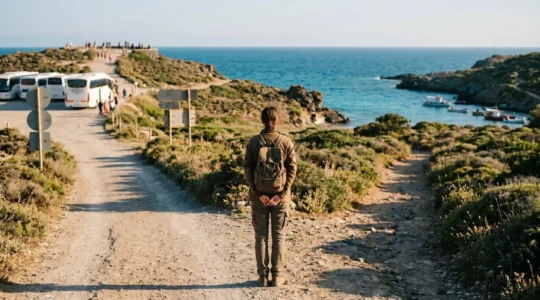
How to Build Your Own Island Points of Interest List Beyond Generic Top 10s?
The most meaningful island trips don’t come from finding better Top 10 lists, but from building a better personal filter to sift through all available options. Generic lists lead to overtourism, concentrating 80% of travellers into just 10% of destinations,…
Lire la suite
Where Can You Find Official Safe Swimming Area Lists for Island Beaches?
In summary: Prioritize officially designated swimming areas; their invisible safety infrastructure drastically reduces risk. For unmarked beaches, learn to perform a 15-minute risk assessment by decoding wave patterns, currents, and water color. Understand that tidal timing, not just location, is…
Lire la suite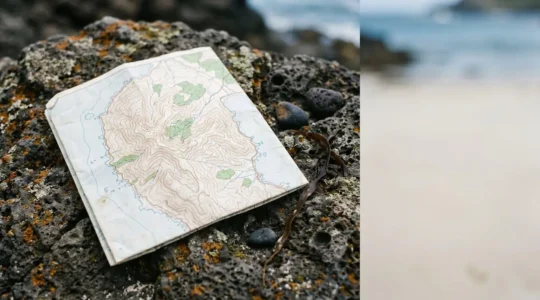
Where Can You Find Detailed Island Hiking Maps Beyond Generic Tourist Office Leaflets?
In summary: Prioritize official paper topographic maps for their baseline accuracy and independence from technology. Use community-sourced digital maps (like GPX tracks) for recent trail intelligence, but critically vet their data provenance. Mastering contour line interpretation is non-negotiable for accurately…
Lire la suite
Island Customs: How to Learn Local Etiquette and Avoid Cultural Mistakes
True cultural respect on islands isn’t about memorizing rules, but mastering a framework for observation and adaptation. Focus on the « Cultural Triage » model to prioritize what’s non-negotiable versus what is flexible. Adopt an « Observe, Mirror, Ask » approach when encountering new…
Lire la suite
Which Online Resources Provide the Most Accurate Island Travel Information Beyond TripAdvisor?
The most accurate island travel information isn’t found on one « perfect » website, but through a deliberate verification strategy that treats different sources as layers of evidence. Prioritise local, on-the-ground sources (vetted bloggers, real-time forums) over international aggregators for timely, nuanced…
Lire la suite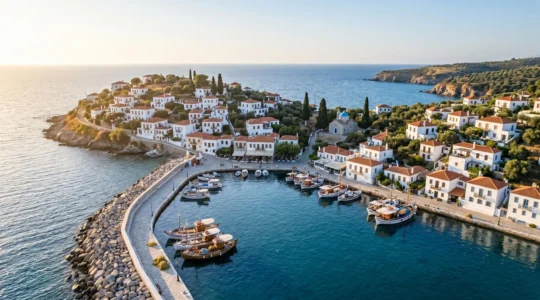
Which Mediterranean Island Should First-Time Visitors Choose for a Balanced Introduction?
The key to choosing the right first Mediterranean island is not picking from a list, but matching the island’s underlying ‘DNA’ to your travel priorities. An island’s character is shaped by deliberate tourism strategies, not just geography. Timing is critical:…
Lire la suite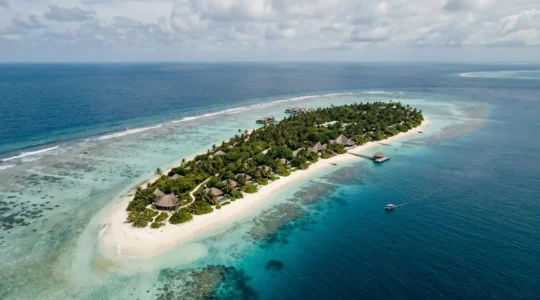
Hotels, Villas or Resorts: Which Island Accommodation Suits Your Travel Style?
Choosing the right island accommodation is less about the photos and more about decoding hidden costs, understanding value, and avoiding sophisticated booking traps. All-inclusive resorts often conceal significant extra costs for premium services, diminishing their perceived value. Private villas provide…
Lire la suite