Transportation & Access to the Islands
Getting to and around islands presents unique transportation challenges that mainland travelers rarely encounter. Unlike continental destinations connected by extensive road and rail networks, islands depend on a complex ecosystem of air and sea connections that vary dramatically in reliability, cost, and accessibility. Your journey might involve multiple modes of transport—a long-haul flight to a regional hub, a smaller aircraft to your island, and then scooters, buses, or boats to reach specific locations.
Understanding these transportation layers before you book determines whether your island adventure flows smoothly or becomes a frustrating series of delays, missed connections, and unexpected expenses. This guide examines every transport mode you’ll encounter when traveling to and around islands, from selecting the right hub airport to choosing between ferries and flights, and from navigating local bus systems to safely operating rental scooters on unfamiliar island roads.
Choosing Your Gateway: Regional Hub Airports vs. Direct International Flights
Your island journey typically begins with a critical decision: fly directly to a smaller international airport on or near your destination island, or route through a regional hub with better connectivity to domestic island carriers. This choice affects your total travel time, connection reliability, and overall stress levels far more than most travelers realize when booking.
When Regional Hubs Offer Superior Connections
Smaller regional hubs frequently provide better island connectivity than massive international airports. A mid-sized hub serving a cluster of islands often schedules multiple daily flights to each destination, operated by carriers intimately familiar with local weather patterns and operational challenges. These hubs typically feature shorter walking distances between gates, faster baggage handling, and immigration processes scaled appropriately for passenger volumes.
The major international airports that appear convenient on booking websites may only offer one or two weekly flights to your specific island, often operated by partners with separate terminals requiring rechecks of baggage. What looks like a time-saving direct route can actually involve a 4-6 hour layover in a congested terminal far from amenities.
Assessing Layover Facilities and Connection Times
When facing extended layovers at regional hubs, evaluate facilities honestly. Does the airport offer comfortable seating, reliable Wi-Fi, food options beyond fast food, and perhaps shower facilities? A six-hour connection becomes manageable with proper amenities; the same wait in a spartan terminal with limited seating becomes exhausting.
Connection timing deserves even more scrutiny. Booking minimum legal connection times—often 60-90 minutes for domestic connections—creates genuine risk when traveling to islands. Domestic island carriers maintain strict departure schedules because of limited daylight operations at smaller island airports or tide-dependent seaplane services. Miss your connection by fifteen minutes, and the next available flight might be three days later during low season.
Peak Congestion Periods at Island Hubs
Regional hubs serving popular island destinations experience predictable congestion patterns. Morning departures between 6:00-9:00 AM concentrate business travelers and day-trippers, while late afternoon returns create bottlenecks at check-in and security. Weekend traffic surges, particularly Friday evenings and Sunday afternoons, can overwhelm facilities designed for weekday volumes.
Seasonal variations matter equally. The November-March period sees many northern hemisphere travelers escaping to tropical islands, while summer months concentrate families traveling during school holidays. Booking connections during off-peak hours—mid-morning or early afternoon on weekdays—significantly improves reliability.
Domestic Island Carriers: Balancing Cost, Safety, and Reliability
Once you reach the regional hub, domestic island carriers bridge the final gap to your destination. These airlines range from well-established regional operators with decades of service to new budget carriers offering tempting fares but uncertain track records. Understanding the trade-offs helps you make informed decisions rather than simply choosing the cheapest ticket.
Why Island Carriers Cancel More Frequently
Domestic island carriers operate under constraints that major international airlines rarely face. Small aircraft flying to islands with single short runways cannot safely land in crosswinds above specific thresholds. Afternoon thermal activity over tropical islands creates turbulence that, while not dangerous, exceeds comfort and operational limits for small aircraft. Coastal fog, sudden squalls, and equipment limitations mean cancellation rates of 5-15% are normal for island carriers compared to 1-3% for major airlines.
This isn’t necessarily poor management—it reflects appropriate caution given operational realities. However, it does mean you should buffer at least one extra day before critical commitments like international return flights or cruise departures.
Verifying Safety Records and Regulatory Compliance
Safety considerations deserve attention when choosing between carriers, especially in regions where regulatory oversight varies. Aviation authorities in most countries maintain publicly accessible databases showing each carrier’s accident history, incidents, and compliance status. A five-minute search before booking can reveal whether your carrier has a clean record or faces ongoing safety concerns.
Look beyond price to evaluate aircraft age and maintenance practices. Established carriers typically publish fleet information showing aircraft models and average ages. Well-maintained older aircraft operated by experienced carriers often represent better choices than newer planes flown by startups with limited operational history.
Booking Strategies: Advance Purchase vs. Last-Minute Fares
Island carrier pricing follows patterns distinct from international aviation. Many smaller carriers offer limited dynamic pricing, instead maintaining relatively stable fares with occasional promotional periods during low season. Booking three months ahead rarely saves significantly compared to three weeks ahead, unlike long-haul international flights where early booking often halves the cost.
Last-minute fares can actually drop when carriers face empty seats, particularly for mid-week flights during shoulder season. However, this strategy only works if your schedule offers flexibility—betting on last-minute availability during high season or around holidays typically backfires.
Small Propeller Aircraft: Safety, Comfort, and Managing Flight Anxiety
For many island travelers, the small propeller aircraft represents their greatest source of pre-trip anxiety. These planes look fragile compared to large jets, they bounce more noticeably in turbulence, and every sound seems amplified. Yet understanding the reality of small aircraft operations transforms anxiety into informed confidence.
The Statistical Safety of Propeller Aircraft
Modern turboprop aircraft operated by certified carriers maintain safety records statistically equivalent to jet aircraft. The impression of higher risk stems from visibility bias—small aircraft accidents receive disproportionate media coverage, while the millions of routine island flights go unreported. Turboprop engines are mechanically simpler than jets with fewer potential failure points, and modern models feature redundant systems for all critical functions.
The real safety consideration isn’t aircraft type but carrier oversight and pilot experience. A well-maintained turboprop flown by a 10,000-hour pilot with intimate island knowledge represents a safer choice than a jet operated by a carrier with questionable maintenance practices.
Understanding Turbulence on Island Routes
Small aircraft do react more noticeably to turbulence than heavy jets—this reflects physics, not danger. A 70-passenger turboprop weighs perhaps 20 tons; a Boeing 777 weighs 350 tons. The smaller aircraft moves more in the same air currents just as a kayak bounces more than a cruise ship in the same waves.
Pilots on regular island routes know precisely when and where turbulence occurs. Morning departures typically offer smoother flights before thermal heating creates afternoon convection currents. Coastal routes may experience brief chop when crossing the shoreline where land and sea air masses meet, but this lasts only minutes.
Seat Selection and Pre-Flight Preparation
Window seats help anxious flyers by providing visual reference and reducing the disorienting feeling of movement without context. Watching the horizon helps your inner ear reconcile motion signals. Seats over the wings experience less pitch motion than tail seats, though the difference is modest on aircraft this size.
Pre-flight alcohol consumption, often attempted to calm nerves, actually worsens anxiety by affecting your inner ear’s balance function and amplifying perceived motion. Proper hydration, a light meal, and controlled breathing exercises provide better anxiety management without impairing your spatial orientation.
Ferry Services: Classes, Schedules, and Weather Reliability
Where distances between islands remain moderate—generally under 100 nautical miles—ferry services often provide comfortable, economical alternatives to flying. Understanding ferry types, cabin classes, and operational patterns helps you choose appropriate services and avoid common booking mistakes.
Conventional Ferries vs. High-Speed Catamarans
Traditional displacement-hull ferries offer stability and capacity but operate at 15-20 knots, making journeys of 4-8 hours common for inter-island routes. These vessels typically provide multiple cabin classes, vehicle transport, and full meal service. Their deep hulls handle rough seas better than faster alternatives, making them more reliable during marginal weather.
High-speed catamarans cut travel time dramatically—covering in 90 minutes what conventional ferries take four hours to complete. However, they operate on hydrofoils or planing hulls that require relatively calm seas. Wave heights above 2-3 meters often force cancellations, and the ride can be jarring in moderate chop. They rarely accommodate vehicles and charge premium fares.
Selecting Cabin Classes for Overnight Crossings
Overnight ferry crossings present a value opportunity by combining transportation with accommodation, potentially saving a hotel night. Cabin classes vary from basic reclining airline-style seats in shared salons to private cabins with beds and bathrooms.
Deck class—outdoor seating or indoor salons with basic seats—seems economical but becomes problematic on overnight crossings. You cannot secure belongings effectively, sleep quality is poor, and exposure to weather (on outer decks) or diesel fumes (near engine rooms) creates discomfort. Upgrading to even basic shared cabins typically costs less than the hotel night you’re replacing while providing dramatically better rest.
Weather forecasts deserve careful attention when booking deck class on any crossing. A six-hour journey in deck seating during calm seas and pleasant weather is tolerable; the same journey in rain or rough seas becomes miserable with no shelter or facilities.
Seasonal Patterns and Cancellation Risks
Ferry reliability follows distinct seasonal patterns tied to regional weather systems. Mediterranean island ferries face highest cancellation risk during winter months when northerly winds create rough seas. Tropical island services see disruption during monsoon transitions and cyclone season. Caribbean routes experience most cancellations August through October during hurricane season.
Operators typically maintain more conservative schedules during high-risk seasons, cutting frequencies but improving reliability of remaining services. Booking ferries during established calm seasons—summer in temperate regions, dry season in tropical areas—dramatically reduces cancellation probability.
Private Charter Boats: When Flexibility Justifies the Premium
Private boat charters occupy a distinct niche in island transportation, offering access to locations unreachable by scheduled services while commanding prices that seem astronomical compared to public ferries. Understanding when charters provide genuine value versus when they’re expensive indulgences helps you allocate your budget effectively.
Accessing Unreachable Destinations
Certain island locations literally cannot be reached except by private charter. Small islets without ferry service, remote anchorages accessible only by sea, and coastal areas lacking road access become available through chartered vessels. If your itinerary includes these destinations, charter costs become unavoidable rather than optional.
Even for served destinations, charters provide schedule flexibility that scheduled services cannot match. Spending four hours at a remote beach requires either an overnight stay (if accommodation exists) or timing your visit to ferry schedules that may offer only brief layovers. A chartered boat waits while you explore, departing on your schedule.
Negotiating Rates and Itineraries
Charter boat pricing typically divides into half-day (4 hours) and full-day (8 hours) rates, with per-hour charges for extensions. Full-day rates rarely cost double the half-day price—the premium shrinks for longer charters because vessel preparation, fuel, and crew costs are largely fixed. If your itinerary requires five hours, negotiating a full-day rate often costs only 20-30% more while providing substantially more flexibility.
Specify your exact itinerary needs when booking. « Island tour » means different things to different operators. Detail the specific locations you want to visit, activities you plan (swimming, snorkeling, hiking), and any special requirements (shade for young children, accessibility needs). This prevents the frustrating scenario where the boat arrives equipped for a fishing trip when you wanted snorkeling.
Weather Cancellations and Deposit Policies
Charter operators cancel trips for sea conditions that scheduled ferries might run through, because their business model depends on customer satisfaction rather than schedule adherence. Swells that merely make ferry passengers uncomfortable create genuinely dangerous conditions for activities like swimming or tendering between boat and shore.
Understand cancellation and rescheduling policies before paying deposits. Reputable operators offer full refunds or free rescheduling for weather cancellations initiated by the captain. Customer-initiated cancellations typically forfeit deposits or incur significant fees. Travel insurance rarely covers charter cancellations except under very limited circumstances.
Island Public Bus Systems: Schedules, Navigation, and Practical Realities
Public bus systems on islands operate under different paradigms than urban transit in major cities. Timetables serve as approximations, routes follow logic understood by locals but baffling to visitors, and infrastructure like marked stops or sheltered waiting areas may not exist. Learning to work within these systems unlocks economical transportation but requires adjusting expectations.
Why Island Bus Schedules Vary by 30-60 Minutes
Published schedules for island buses reflect intentions rather than commitments. Buses may wait for ferries running late, make unscheduled stops for regular passengers, or vary routes slightly based on road conditions or driver discretion. This isn’t poor service—it reflects an operating philosophy prioritizing community needs over strict punctuality.
Build substantial buffer time when using buses to reach flights, ferries, or scheduled activities. If the published schedule shows a 90-minute journey, allow three hours. This seems excessive until you experience the reality of island bus operations, where published schedules represent best-case scenarios under ideal conditions.
Finding Unmarked Bus Stops
Many island bus systems lack formal stops with signs, shelters, or posted schedules. Stops exist at locations known to locals—perhaps a large tree, a specific shop, or an intersection—but invisible to visitors. Asking your accommodation host for specific directions (« wait by the blue house past the church ») works better than trying to find a marked stop.
Drivers on island routes generally stop anywhere when hailed, and allow passengers to disembark wherever convenient along the route. This flexibility compensates for the lack of formal infrastructure, but requires you to communicate clearly with the driver about your destination and watch carefully for your landmark.
Tourist Passes vs. Pay-Per-Ride Economics
Many island transit systems offer multi-day passes marketed to tourists at what appears to be substantial savings. Calculate honestly whether these provide value based on your actual planned trips. A seven-day pass might cost £25 compared to £3 per ride—seemingly an obvious choice if you’ll make more than eight trips.
However, island transit routes may not serve your actual itinerary efficiently, distances may be walkable, and schedule unreliability might make taxis or rental scooters more practical. Visitors frequently purchase week-long passes and use them twice before defaulting to other transport. Pay-per-ride until you understand the system, then buy a pass if the economics genuinely favor it.
Scooter Rentals: Permits, Insurance, and Safety Essentials
Renting scooters or motorcycles provides independence and economy for island exploration, but comes with genuine risks when operating unfamiliar vehicles on unfamiliar roads under unfamiliar traffic laws. Understanding licensing requirements, insurance structures, and safety protocols prevents the scenarios that turn into expensive nightmares.
International Driving Permits and Enforcement
International Driving Permits (IDP) are legally required to operate scooters in most countries if you hold a foreign license. Rental agencies vary wildly in checking compliance—some demand both your home license and IDP, others never mention it. This discrepancy leads travelers to skip obtaining an IDP, creating a critical vulnerability.
The enforcement concern isn’t the rental agency but insurance validity and legal liability after an accident. If you damage property or injure someone while operating without proper licensing, your rental insurance may be completely voided, leaving you personally liable for all damages. Police in tourist areas increasingly check licenses after accidents, and lacking an IDP can result in fines, vehicle impoundment, and criminal charges in some jurisdictions.
Pre-Rental Safety Inspections
Before leaving the rental lot, systematically inspect the scooter for issues that could cause accidents or leave you stranded. Check both brakes for proper function, verify the throttle returns to idle when released, ensure all lights operate, and confirm adequate tire tread and pressure. Test the horn and check for fluid leaks under the engine.
Document existing damage thoroughly with photos or video, ensuring the rental agent acknowledges all scratches, dents, or worn parts. This protects you from false damage claims when returning the vehicle—a common scam where agencies attempt to charge for pre-existing damage.
Insurance Coverage and Liability Limits
Scooter rental insurance typically offers two components: damage waiver for the vehicle itself and third-party liability for damage you cause to others. Declining damage waiver to save £5 per day exposes you to potential bills of £2,000-3,000 for even moderate damage to the scooter from a minor accident.
Third-party liability coverage deserves even more attention, though agencies rarely emphasize it. Verify that coverage includes adequate limits—preferably at least £100,000-250,000—and understand what voids coverage. Operating under the influence, riding without a helmet, allowing unlicensed riders, or using the scooter off designated roads commonly void all insurance protection.
Optimal Riding Conditions and Times
Island roads present hazards uncommon on mainland routes: sand blown onto corners by sea breezes, roads damaged by salt air and limited maintenance, livestock wandering onto roadways, and dramatic elevation changes with steep grades and hairpin turns. These conditions become most dangerous during late afternoon when you’re fatigued, light is changing, and local traffic increases.
Morning rides between sunrise and noon offer optimal conditions—you’re alert, visibility is excellent, temperatures are moderate, and roads are less congested. Avoid riding at night when hazards become invisible and many island roads lack lighting or reflective markers.
Quad Bikes for Off-Road Island Exploration
Quad bikes (ATVs) access island terrain that conventional vehicles cannot reach—mountain trails, beach access routes, agricultural tracks through plantations. They’re marketed heavily to tourists seeking adventure, but they also cause more accidents than any other island rental vehicle category. Understanding proper operation and insurance implications prevents the rollover accidents that send dozens of tourists to island hospitals weekly.
Terrain Access vs. Operating Difficulty
Quads reach places scooters and cars cannot, but they require more skill to operate safely, not less. Their high center of gravity and narrow track width make them prone to rollovers when traversing slopes. Operating principles differ fundamentally from cars—you steer partially with body weight transfer, not just the handlebars.
First-time riders should insist on comprehensive instruction, not the cursory five-minute orientation many agencies provide. Practice on flat, open terrain before attempting hills, tight trails, or technical sections. Guided tours provide safer introduction to quad riding than independent rentals for inexperienced riders.
The Rollover Risk on Hill Terrain
Most quad accidents occur on slopes when riders attempt to climb or descend hills improperly. Ascending a steep hill in a seated position shifts weight rearward, causing the quad to flip backward onto the rider—a scenario causing serious injuries. Descending steep grades while braking hard pitches weight forward, leading to forward flips.
Proper technique requires standing on the footpegs and shifting your body weight forward when ascending, backward when descending. This counterintuitive approach keeps the quad balanced, but it requires instruction and practice. Never attempt slopes exceeding your skill level or the quad’s capabilities—walk around obstacles rather than forcing a route.
Insurance Coverage for Off-Road Damage
Quad rental insurance contains more exclusions than scooter coverage because agencies recognize the higher risk. Coverage typically voids entirely if you operate outside designated areas, ride on public roads where prohibited, or engage in reckless behavior. The challenge is that « designated areas » may be poorly defined, and agencies sometimes direct tourists to locations where accidents void coverage.
Clarify precisely where you’re permitted to ride and obtain written confirmation if possible. Understand that mechanical failures caused by water crossings, impacts with rocks or trees, or rollovers may be deemed your responsibility regardless of insurance purchase. Some agencies require deposits of £500-1,000 held on credit cards until the quad is returned and inspected.
The comprehensive approach to island transportation means planning each journey segment with appropriate transport modes, understanding the trade-offs each option presents, and preparing for the operational realities that differ markedly from mainland travel. Whether navigating hub airports, selecting ferries over flights, or choosing between scooters and quads for local exploration, informed decisions based on realistic expectations ensure your island adventures focus on the destinations rather than transportation frustrations.

Quad Bike vs. Scooter for Island Exploration: Which Vehicle Does Your Terrain Demand?
The choice between a quad and a scooter is not about preference; it’s a critical decision dictated by terrain physics. Scooters are sufficient for paved roads and hard-packed gravel (Terrain Types 1 & 2), but become dangerous or useless on…
Lire la suite
How to Rent and Ride Scooters Safely on Islands With Different Traffic Laws?
In summary: Your home driving license is often insufficient; an International Driving Permit (IDP) is crucial to validate your travel insurance, even if rental shops don’t ask. Before riding, conduct a detailed mechanical inspection and document the scooter’s condition with…
Lire la suite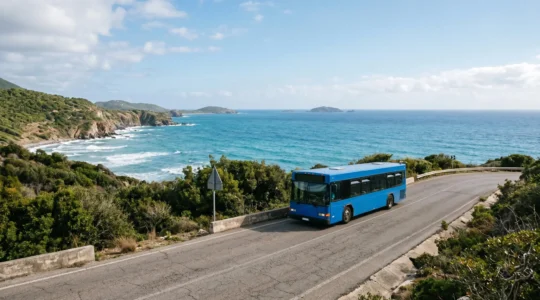
How to Use Island Public Bus Systems Without Getting Lost or Wasting Hours?
In summary: Island bus schedules are often disrupted by single-road « cascade delays »; target the first or last runs of the day for better reliability. Locate unmarked bus stops by looking for « human signposts » (groups of waiting locals) or forensic clues…
Lire la suite
When Is a Private Charter Boat Actually Cheaper Than a Ferry? The Real Cost-Benefit Analysis
A private charter’s high price is justified when it unlocks a superior « cost-per-unique-experience » that public ferries cannot offer. Charters provide exclusive access to geographic and temporal « inventory »—secluded coves, after-hours park access, and flexible schedules—that are physically or logistically impossible for…
Lire la suite
Ferry or Flight for Inter-Island Travel: Which Mode Suits Your Journey Best?
The smartest island travelers don’t choose between ferries and flights; they build a multi-modal logistical framework that uses both. Evaluate the « true time cost » of each option, including transfers and waiting, not just the travel duration itself. Match the transport…
Lire la suite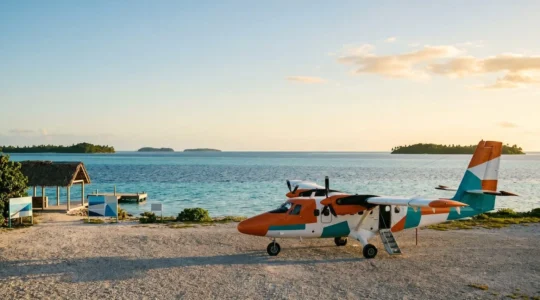
How to Fly Confidently on Small Propeller Aircraft to Remote Island Destinations?
The anxiety of flying on small propeller planes stems from unfamiliar sounds and sensations that we misinterpret as danger. This guide bypasses generic advice and instead teaches you to decode the ‘language’ of the aircraft. By understanding why the engines…
Lire la suite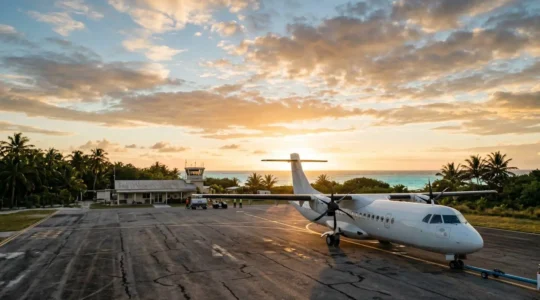
Domestic Island Carriers: How to Balance Low Fares Against Service Reliability
The true cost of a cheap island flight isn’t the ticket price, but the unquantified financial and temporal risk of disruption; this guide provides a framework to calculate that risk before you book. Small carriers have higher cancellation rates due…
Lire la suite
Beyond the Mega-Hub: Which Regional Airports Offer the Best Connections for Multi-Island Travel?
The most efficient multi-island itinerary rarely involves the largest international airport; it leverages the superior frequency and ground efficiency of smaller regional hubs. Smaller airports provide significant time savings through shorter security lines, faster baggage handling, and quicker gate-to-gate transfers….
Lire la suite