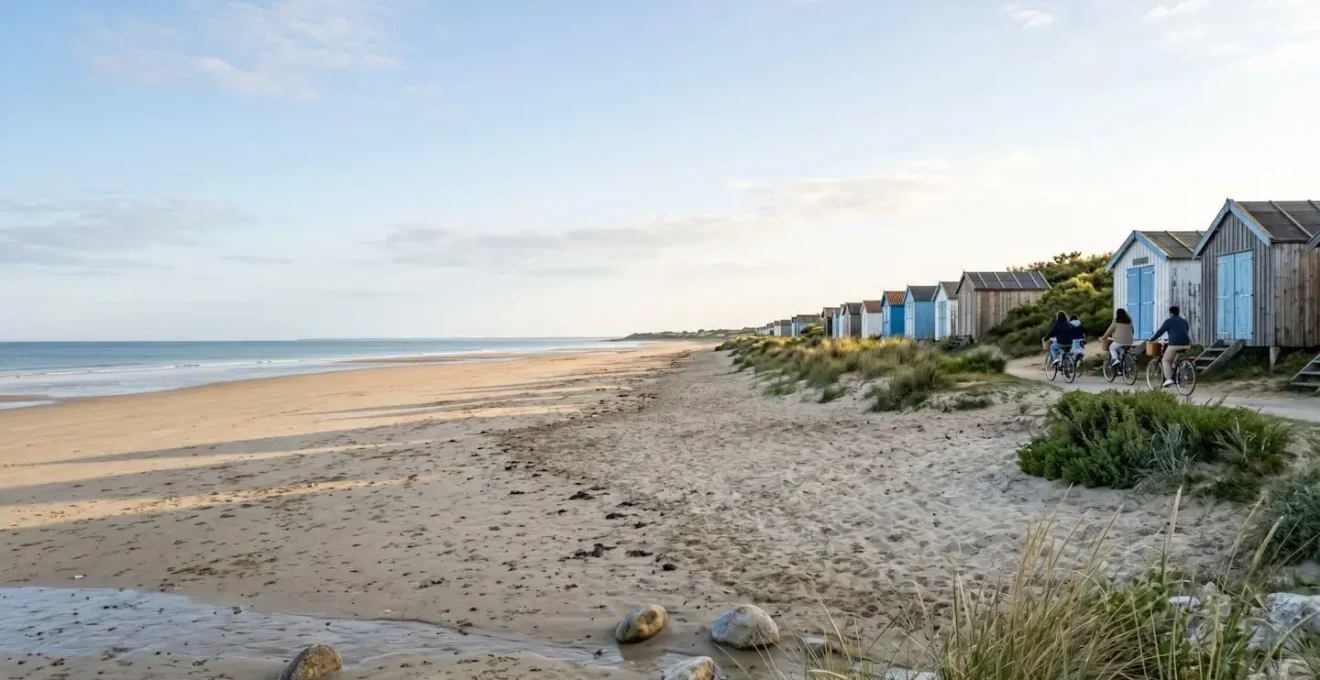
The same luxury villa on Île de Ré can cost €2,400 per week in early June or €5,200 in mid-August. That 117% premium for a six-week difference captures the essence of why timing matters more than almost any other decision when booking your island escape.
The Atlantic island’s appeal extends far beyond July and August, but each season delivers a fundamentally different experience. Weather reliability, villa availability, tourist density, and pricing all shift dramatically across the calendar.
The question isn’t simply « when is the weather best » but rather « which combination of factors matches your priorities. » A family seeking guaranteed beach days faces different trade-offs than couples chasing authentic village atmosphere or budget-conscious groups willing to gamble on shoulder-season conditions.
May through early June and September deliver the optimal balance for most luxury villa renters: pleasant temperatures averaging 18-22°C, pricing 30-50% below peak rates, and significantly reduced tourist density while maintaining full amenity access. Peak summer (late June-August) guarantees maximum sunshine and warmth but commands premium pricing and attracts concentrated crowds. Your ideal window depends on whether you prioritize weather certainty, budget efficiency, or authentic island character.
Why Timing Transforms Your Île de Ré Villa Experience
The luxury villa rental market on Île de Ré operates on dramatic seasonal swings that dwarf typical European destinations. Premium properties with pools and premium amenities shift from €1,722 weekly in May to €5,859 at August peak, while availability follows an inverse pattern. These aren’t arbitrary fluctuations but reflections of genuine trade-offs between weather reliability, crowd levels, and island atmosphere.
What separates informed travelers from disappointed ones is recognizing that Île de Ré offers multiple « best times » depending on your definition of ideal. The cultural calendar, restaurant scene, market vitality, and even the character of fellow visitors shift fundamentally between a May morning in Ars-en-Ré and an August afternoon in Saint-Martin-de-Ré.
The 2025 seasonal report published by Destination Île de Ré confirms that shoulder periods now attract growing numbers of discerning travelers who’ve learned the secret: the island’s Atlantic microclimate extends comfortable conditions well beyond conventional summer boundaries.
The Seasonal Spectrum: What Each Period Really Delivers
Rather than thinking in binary summer-versus-off-season terms, luxury villa rental requires understanding four distinct seasonal windows, each with measurable characteristics. The differences in weather, pricing, and experience quality are substantial enough to make or break a week-long stay.
Climate data provides the foundation for intelligent timing decisions. The 1991-2020 climate normals for La Rochelle and Île de Ré show that August averages 20.8°C with sea temperatures reaching 20.5°C, while the island receives approximately 2,105 sunshine hours annually. July delivers 7.5 hours of daily sunshine, and crucially, June records just 40mm of rainfall compared to November’s 95mm, making early summer remarkably dry despite being outside traditional peak season.
| Factor | Spring/Early Summer (May-Mid Jun) | Peak Summer (Late Jun-Aug) | Early Autumn (Sep-Early Oct) | Off-Peak (Nov-Apr) |
|---|---|---|---|---|
| Average Temperature | 17-19°C | 22-24°C | 19-21°C | 7-15°C |
| Ocean Temperature | 15-17°C | 19-20.5°C | 18-20°C | 11-14°C |
| Tourist Density | Moderate | Very High | Moderate | Low |
| Weekly Villa Pricing | €1,700-3,200 | €4,200-5,900 | €2,400-3,800 | €1,400-2,200 |
| Booking Lead Time | 4-6 months | 9-12 months | 3-4 months | 4-8 weeks |
| Amenity Availability | 95% operational | 100% operational | 90% operational | 60% operational |
When evaluating seasonal villa options across these periods, platforms that offer transparent availability calendars showing real-time inventory help travelers make informed timing decisions. Resources like vacation rentals on Île de Ré allow direct comparison of properties across different seasonal windows, making it easier to identify which villages and amenities align with your preferred travel dates and budget parameters.
May through mid-June represents the intelligent compromise that many first-time luxury renters overlook. Temperatures climb steadily from 17°C to 19°C, while the island remains pleasantly uncrowded. The ocean temperature sits around 15-17°C, which requires some tolerance but becomes perfectly comfortable by mid-June. June is statistically the driest month on Île de Ré with minimal rainfall. Village markets operate at full capacity, and premium villas remain available with just four to six months of lead time.
The concentration of peak season has intensified in recent years. The official 2024 report from Destination Île de Ré documented 271,893 visitors to information bureaus, with the highest density compressed into just three weeks starting in early August. The very high season no longer begins before the weekend of 20-21 July, according to patterns confirmed since 2018-2019.
Peak summer delivers weather certainty: consistent 22-24°C air temperatures, ocean warmth approaching 20.5°C, and sunshine approaching eight hours daily. Every amenity operates at full capacity. The cost is both financial (premium pricing throughout) and experiential, with beach parking filling by mid-morning and popular villages seeing restaurant wait times extend beyond 45 minutes. French school summer holidays drive this concentration, creating a predictable surge that sophisticated travelers either embrace fully or avoid entirely.
September challenges the assumption that summer ends on 31 August. Air temperatures remain around 19-21°C, ocean warmth holds near 18-20°C, and sunshine persists while tourist density drops dramatically. The 2024 October half-term period saw a notable 10% rebound in visitors, confirming that informed travelers increasingly extend their island season into autumn. Pricing drops 30-40% from August peaks while weather reliability remains strong, and premium villas with heated pools extend comfortable swimming well beyond conventional summer boundaries.

Matching Your Priorities to the Perfect Season
The notion of a single « best time » collapses under scrutiny. Luxury villa renters arrive with different priorities, constraints, and definitions of ideal vacation experience. Seasonal choice should flow from honest assessment of what matters most rather than following generic travel advice.
Once you’ve identified your ideal seasonal window based on the trade-offs above, the next consideration involves choosing your island accommodation style to match both your group size and the amenities that matter most during your selected travel period.
- Priority: Weather certainty and guaranteed beach lifestyle
Late June through mid-September delivers maximum reliability. Ocean temperatures reach comfortable levels, sunshine hours peak, and rainfall remains minimal. Accept premium pricing and advance booking requirements (9-12 months for peak inventory). Expect concentrated tourist presence but full amenity access.
- Priority: Authentic island atmosphere without peak crowds
May, early June, and September offer the best balance. Tourism office data confirms shoulder seasons now attract discerning travelers seeking genuine village character. Villa availability remains strong with 3-6 month booking windows, pricing drops 30-50%, and local markets operate without tourist surge pressure.
- Priority: Budget optimization and flexible weather tolerance
April and October represent calculated gambles. Air temperatures range 13-17°C, ocean remains cool (14-16°C), and weather variability increases. Compensating factors include 40-60% pricing discounts, last-minute availability possibilities (4-8 weeks out), and near-empty beaches. Best suited for groups prioritizing villa amenities over beach-centric activities.
- Priority: Absolute luxury experience with minimal compromise
Early September emerges as the sophisticated choice. Weather quality peaks (warmest ocean temperatures, lowest rainfall), tourist density drops immediately after French school return, restaurants and amenities remain fully operational, and pricing sits 20-30% below August while remaining above true shoulder season levels.
If weather uncertainty creates unacceptable risk, the premium for peak and near-peak periods buys genuine peace of mind. The Atlantic climate can surprise in shoulder seasons, but late June through mid-September offers statistically reliable conditions. Ocean swimming becomes genuinely pleasant, outdoor dining extends comfortably into evenings, and beach days don’t require backup plans. The trade-off is accepting maximum visitor numbers and maximum rates.
Those seeking authentic island atmosphere increasingly choose May or September over peak July-August. These periods capture Île de Ré before it transforms into high-season tourist destination or after it returns to local rhythms. Morning markets in La Flotte or Les Portes-en-Ré regain their neighborhood character, cycling paths through salt marshes feel genuinely peaceful, and interactions with island residents replace the transactional tourism dynamic. The weather remains very good rather than guaranteed excellent.
Budget-conscious groups with weather flexibility can extract significant value in the micro-seasons flanking the main tourist calendar. April and October offer 40-60% discounts on luxury villa rental rates while maintaining decent weather odds. The island season now extends from Easter through October half-term holidays, meaning amenities remain substantially operational even outside traditional summer.

Strategic Booking: When to Reserve for Each Season
Identifying your ideal travel window solves only half the equation. Luxury villa inventory operates on booking timelines that punish late movers, particularly for peak periods. The gap between decision and execution requires strategic planning to avoid discovering that your perfect dates sold out months earlier.
Premium properties with pools and prime village locations in Saint-Martin-de-Ré or La Flotte book 3-4 months ahead even for September, as informed travelers increasingly target this window. Waiting until summer to book September stay leaves only secondary inventory.
-
Ultra-premium villas (8+ bedrooms, waterfront) for July-August peak. Limited inventory requires earliest possible commitment.
-
Standard peak summer inventory (July-August) across all villa categories. Optimal selection window before best properties disappear.
-
June and late August availability remains strong. Good window for shoulder-cusp periods with better availability-to-demand ratio than peak weeks.
-
September optimal booking window. Sweet spot balancing inventory selection with competitive pricing as owners confirm autumn calendars.
-
May and early October opportunities emerge. Flexible travelers can secure good properties as owners finalize shoulder season availability.
-
Last-minute possibilities limited to off-peak only (November-April). Occasional cancellations but don’t rely on this strategy for quality inventory.
These booking windows represent general market patterns, but individual villa owners set their own calendar release schedules and pricing strategies. Before committing to any reservation, particularly for high-value properties during competitive periods, a systematic validation process helps avoid common oversights that can compromise your stay. The checklist below covers critical pre-booking verification steps that many travelers skip in their enthusiasm to secure dates, only to discover important limitations or mismatches after payment.
- Verify exact French school holiday dates for your target year (July-August peak timing shifts slightly annually)
- Compare pricing across minimum three similar villas in different villages to establish true market rate
- Confirm pool heating availability and operational dates if booking outside July-August
- Review cancellation policy and travel insurance options (weather flexibility matters more in shoulder seasons)
- Check historical weather data for your chosen month using Météo-France archives rather than generic travel sites
Your Questions About Île de Ré Rental Timing
Is September weather really as reliable as August?
September temperatures average 19-21°C compared to August’s 20.8°C, while ocean warmth remains near 18-20°C versus August’s 20.5°C peak. The crucial advantage appears in rainfall patterns: September historically records lower precipitation than July or August in the La Rochelle-Île de Ré region. The trade-off involves slightly shorter days and occasional Atlantic weather systems, but overall reliability remains strong through mid-September.
When do villa rental prices drop significantly?
The sharpest pricing decline occurs immediately after French school holidays end in early September, with rates dropping 25-35% within days. A second substantial decrease happens in late September through October (additional 15-25% reduction). Peak summer weeks command maximum rates, while May and early June typically price 35-45% below July-August levels. April and late October offer the deepest discounts at 50-65% below peak, though with corresponding weather trade-offs.
Do restaurants and shops stay open in May and September?
The vast majority of island restaurants, shops, and markets operate fully in May and throughout September. Tourism office data confirms the season now extends from Easter through October half-term holidays, meaning amenities maintain operations well beyond traditional summer boundaries. Some seasonal businesses close by mid-October, but May through September sees essentially complete availability. Village markets, oyster farms, and cultural sites maintain regular schedules during these periods.
Can you find last-minute villa availability in summer?
Last-minute summer availability exists primarily as cancellations rather than deliberate late inventory. Peak July-August weeks see premium villas book 9-12 months ahead, leaving only secondary properties or unexpected cancellations within 30-60 days of arrival. June and late August offer better last-minute prospects (8-12 weeks out), while September occasionally presents genuine opportunities at 6-8 week windows. Relying on last-minute strategy for peak summer creates significant risk of limited selection or premium pricing on remaining inventory.
How cold is the ocean outside peak season?
Atlantic ocean temperatures around Île de Ré range from approximately 11°C in February-March (prohibitively cold for most swimmers) to 20.5°C in August. May typically reaches 15-16°C (bracing but manageable for hardy swimmers), June climbs to 17-18°C (comfortable for active swimming), while September maintains 18-20°C (nearly as warm as peak summer). October drops to 16-17°C. Heated villa pools extend the swimming season significantly for properties with climate-controlled amenities, making shoulder season bookings more attractive.
Do French school holidays really impact availability that much?
French summer school holidays create the most concentrated demand period on Île de Ré, transforming availability and pricing within days. The grandes vacances typically run early July through early September, with peak intensity focused on a three-week window starting in early August. Tourism office data shows the very high season no longer begins before 20-21 July, meaning late June and early July now offer significantly better availability than the August crunch. Understanding this calendar proves essential for strategic booking, as the difference between late June and early August availability can be dramatic despite minimal weather variation.
The seasonal choice you make will shape every aspect of your Île de Ré villa experience, from the significant difference in weekly costs to whether you discover the island’s authentic character or navigate peak tourist season dynamics. Understanding what makes Île de Ré worth visiting helps inform which seasonal window best captures the island elements that matter most to your group.
Start by honestly assessing your weather flexibility, budget constraints, and definition of ideal island atmosphere. If weather certainty matters above all else, accept the premium for late June through August and book 9-12 months ahead. If authentic experience and value drive your decision, target May, early June, or September with 3-6 month booking lead times. For maximum budget optimization with weather gambles, explore April or October windows.
The luxury villa market on Île de Ré rewards strategic thinking. Your perfect timing window exists, but it requires moving beyond generic advice toward personalized seasonal selection grounded in verifiable climate data, tourism patterns, and honest priority assessment.